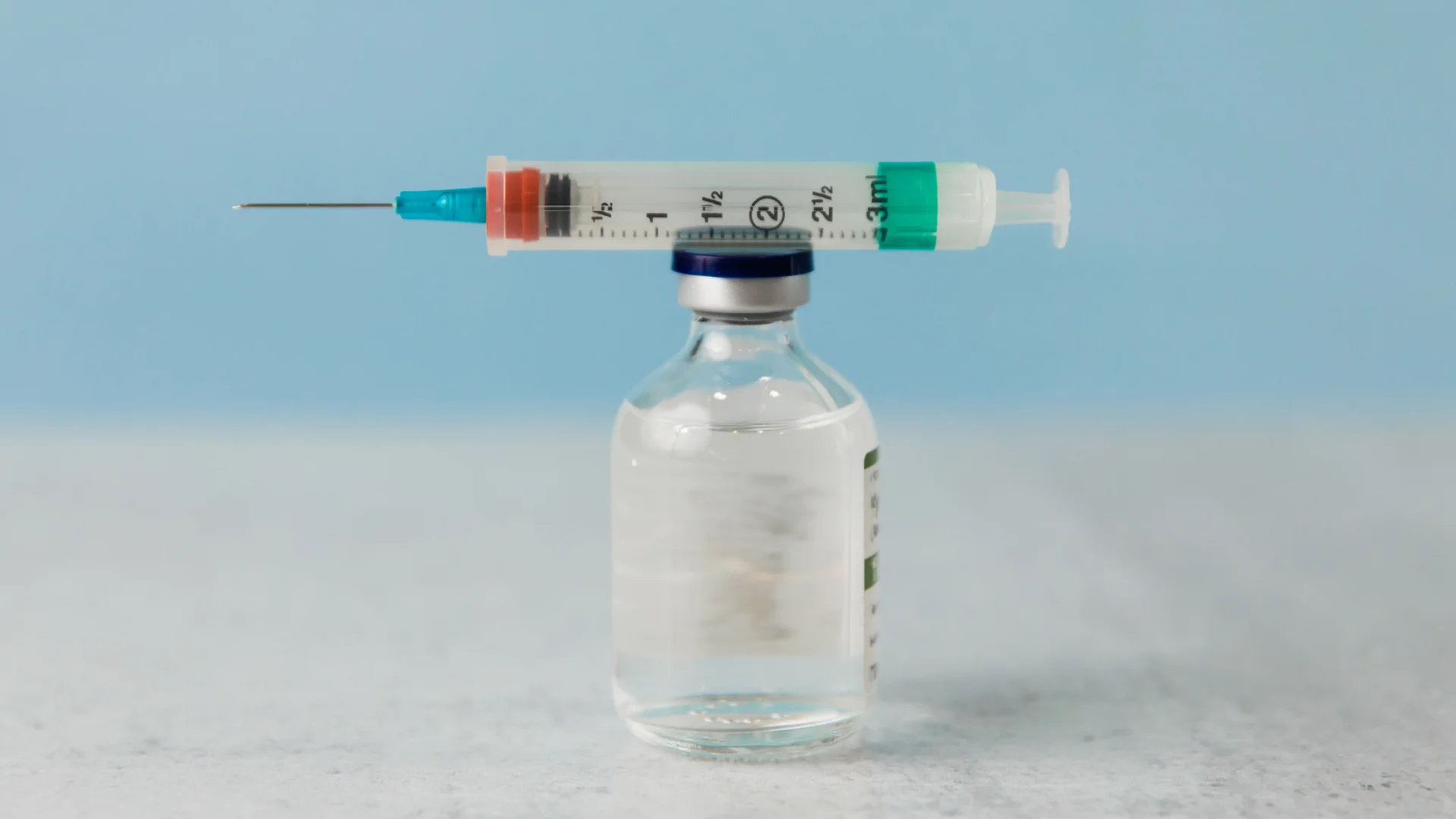
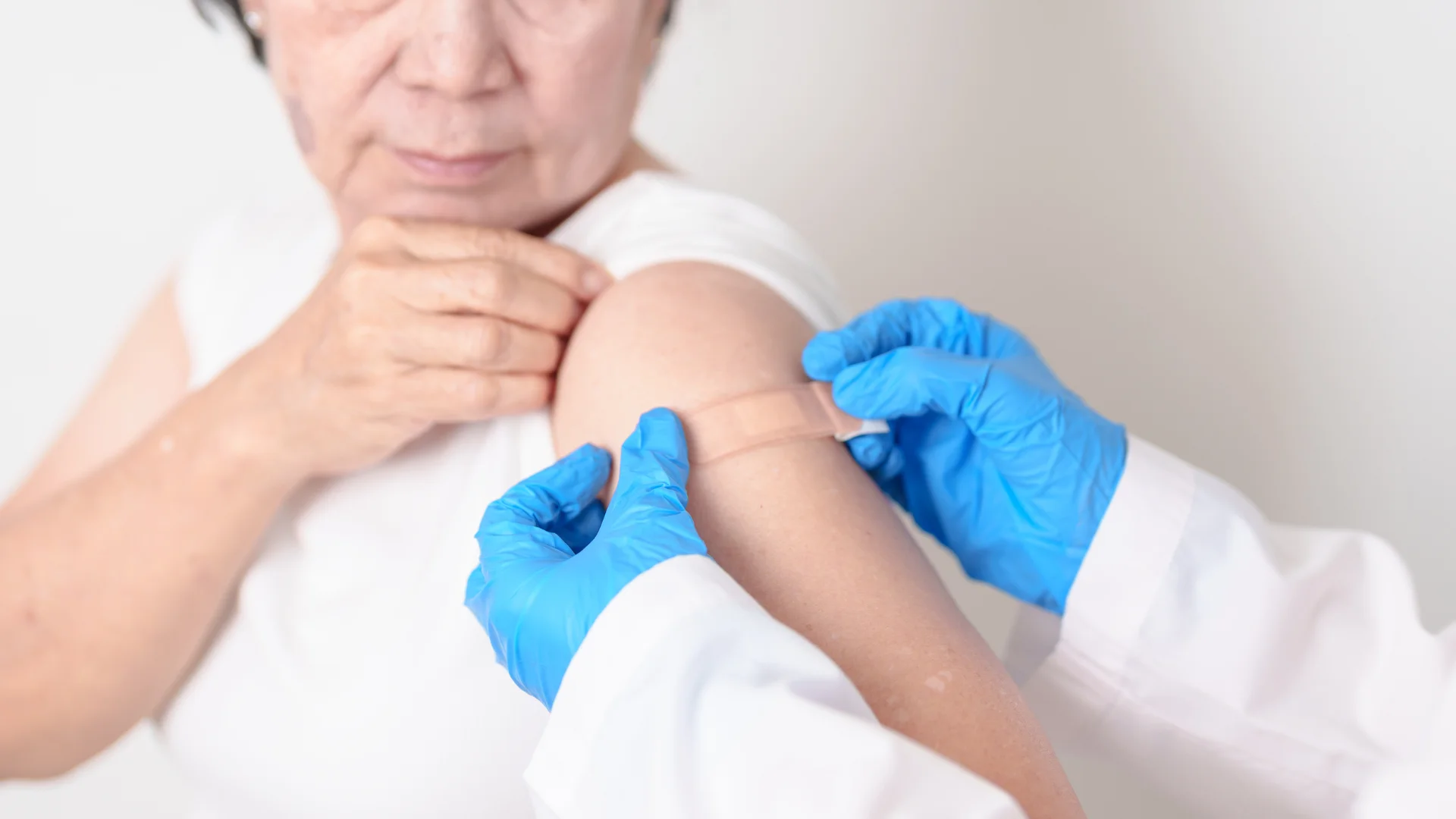
SHINGRIX is a vaccine used to help prevent shingles and related complications. It helps the immune system build a stronger defense against the virus that can become active again as shingles.
For adults 50 and older, CDC recommends 2 doses of SHINGRIX. Some adults 19 and older with weakened immune systems because of illness or treatment may also be recommended to receive it. Your care team can help you understand whether vaccination may be appropriate for your health history.
The vaccine helps the immune system build protection against the virus that can cause shingles.
For most adults 50 and older, the vaccine series is given in 2 doses, usually 2 to 6 months apart.
SHINGRIX is not made with live shingles virus and is not used to treat an active shingles episode.
Arm soreness, tiredness, muscle aches, headache, fever, chills, or stomach discomfort may happen for a few days.
1. Ask Whether You Are Eligible
Adults 50 and older are commonly recommended to receive the shingles vaccine, but your health history still matters.
2. Understand The 2-Dose Series
Ask when to receive the first dose, when to return for the second dose, and what to do if timing is delayed.
3. Know What To Expect Afterward
Temporary side effects may happen after either dose, so planning for a lighter day afterward may help.
UNDERSTAND THE BASICS
SHINGRIX is recommended because shingles becomes more common with age and can sometimes lead to long-lasting nerve pain. Vaccination does not guarantee that shingles will never happen, but it can help reduce the risk of shingles and related complications.
Patients should also understand that SHINGRIX is a 2-dose vaccine series. Completing the recommended series helps patients receive the intended protection.

Most side effects after SHINGRIX are temporary. Some patients may have arm soreness, fatigue, muscle aches, headache, shivering, fever, stomach discomfort, or nausea. These symptoms usually improve within a few days.
Vaccination is a prevention step, not a pressure point. Patients deserve clear answers before making care decisions.
A simple plan can help patients prepare for vaccination and complete the recommended series.
Ask whether SHINGRIX is appropriate for you
Bring up allergies or past vaccine reactions
Ask when your second dose should be scheduled
Plan for temporary side effects
Keep your vaccine record
Ask about coverage or appointment questions before the visit
Vaccine decisions can feel harder when patients rely on assumptions or do not know which questions to ask.
Assuming one dose completes the series
Skipping the second dose because of mild expected side effects
Waiting to ask about eligibility until shingles appears
Assuming prior shingles means vaccination is unnecessary
Forgetting to mention immune system treatments
Expecting vaccination to remove every possible risk
The goal is a clear prevention plan that patients can understand and complete with guidance.
WHEN TO SEEK MEDICAL GUIDANCE
Medical guidance may be helpful when patients want to understand eligibility, timing, expected side effects, the second dose, or whether SHINGRIX may fit their health history.
You are 50 or older — Shingles vaccination is commonly recommended for adults in this age group.
You have a weakened immune system — Some adults under 50 may also need to discuss vaccination.
You had shingles before — Vaccination may still be recommended after recovery.
You have questions about the second dose — Your care team can help you understand the recommended timing.
Patients should not receive SHINGRIX during an active shingles episode. If you currently have symptoms that may be shingles, ask for medical guidance first.
Shingles vaccine planning begins with reviewing age, health history, previous shingles, vaccine history, allergies, and timing for the 2-dose series.
At iCare Medical Group, care focuses on helping patients understand prevention options clearly so they can make informed decisions with their healthcare provider.