Shingles is a painful rash caused by the same virus that causes chickenpox. After a person has chickenpox, the virus can stay inactive in the body and become active again later in life.
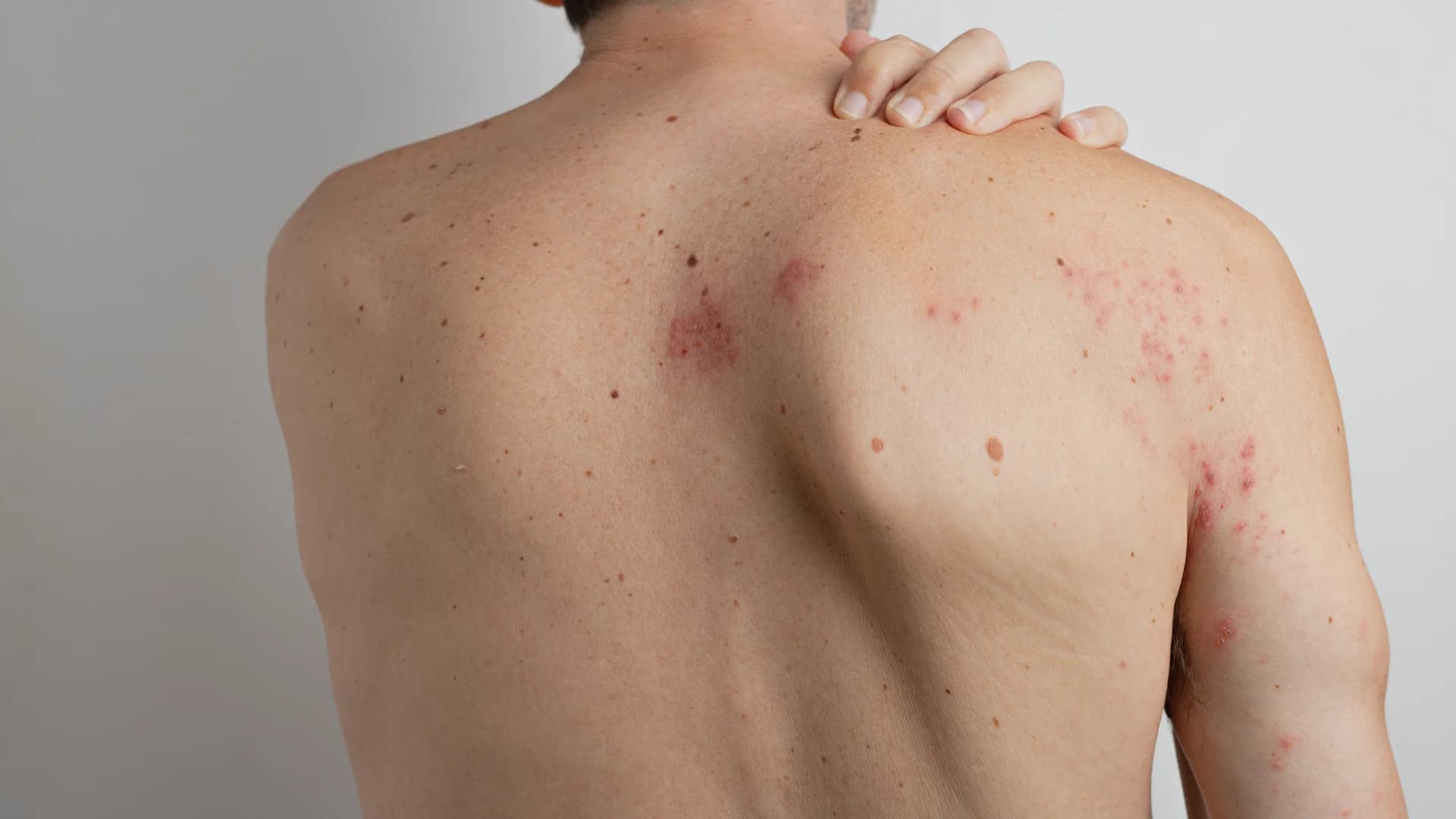
Shingles may begin with pain, burning, itching, or tingling before a rash appears. The rash often shows up on one side of the body or face. Some people also have fever, headache, chills, tiredness, or an upset stomach.
Burning, tingling, itching, or sensitivity may appear before the rash is easy to see.
Shingles usually appears on one side of the body or face
Shingles becomes more common as people get older, especially after age 50.
If symptoms suggest shingles, contacting a healthcare provider early may help guide the next step.
1. Notice Early Skin Or Nerve Changes
Pay attention to burning, tingling, itching, pain, or sensitivity in one area of the skin.
2. Watch For A Rash Or Blisters
A shingles rash may appear in a band or patch, often on one side of the body or face.
3. Ask About Care Early
Treatment may work best when started soon after symptoms begin, so it can help to reach out when shingles is suspected.
UNDERSTAND THE BASICS
Many adults have been exposed to the chickenpox virus, even if they do not clearly remember having chickenpox. Years later, that same virus can become active again and cause shingles.
Shingles is not the same as simply “catching a rash” from someone else. However, the virus from shingles blisters can spread to someone who has never had chickenpox or the chickenpox vaccine, and that person may develop chickenpox.
Shingles symptoms can change over several days. Some patients may notice pain before the rash appears, while others may not realize it is shingles until blisters develop.
Shingles questions deserve clear guidance. Patients do not have to wait until symptoms feel overwhelming before asking for help.
A simple plan can help patients and families respond sooner when shingles symptoms appear.
Pay attention to burning, tingling, or one-sided pain
Call early if a rash or blisters appear
Keep the rash covered when possible
Wash hands often
Avoid touching or scratching blisters
Ask about prevention after recovery
Shingles can become harder to manage when symptoms are dismissed or treated as a simple skin irritation for too long.
Ignoring one-sided burning or pain
Waiting many days before asking about treatment
Scratching or picking at blisters
Exposing people who have never had chickenpox
Assuming shingles cannot happen more than once
Waiting to ask about vaccination until another episode occurs
The goal is to recognize symptoms early, ask the right questions, and understand prevention options when appropriate.
WHEN TO SEEK MEDICAL GUIDANCE
Medical guidance may be helpful when patients notice a painful rash, one-sided skin sensitivity, blistering, or symptoms that may suggest shingles.
A new painful rash appears — A care team can help determine whether shingles may be involved.
The rash is near the face or eye — These symptoms should be discussed promptly.
Pain continues after the rash improves — Lingering nerve pain may need care guidance.
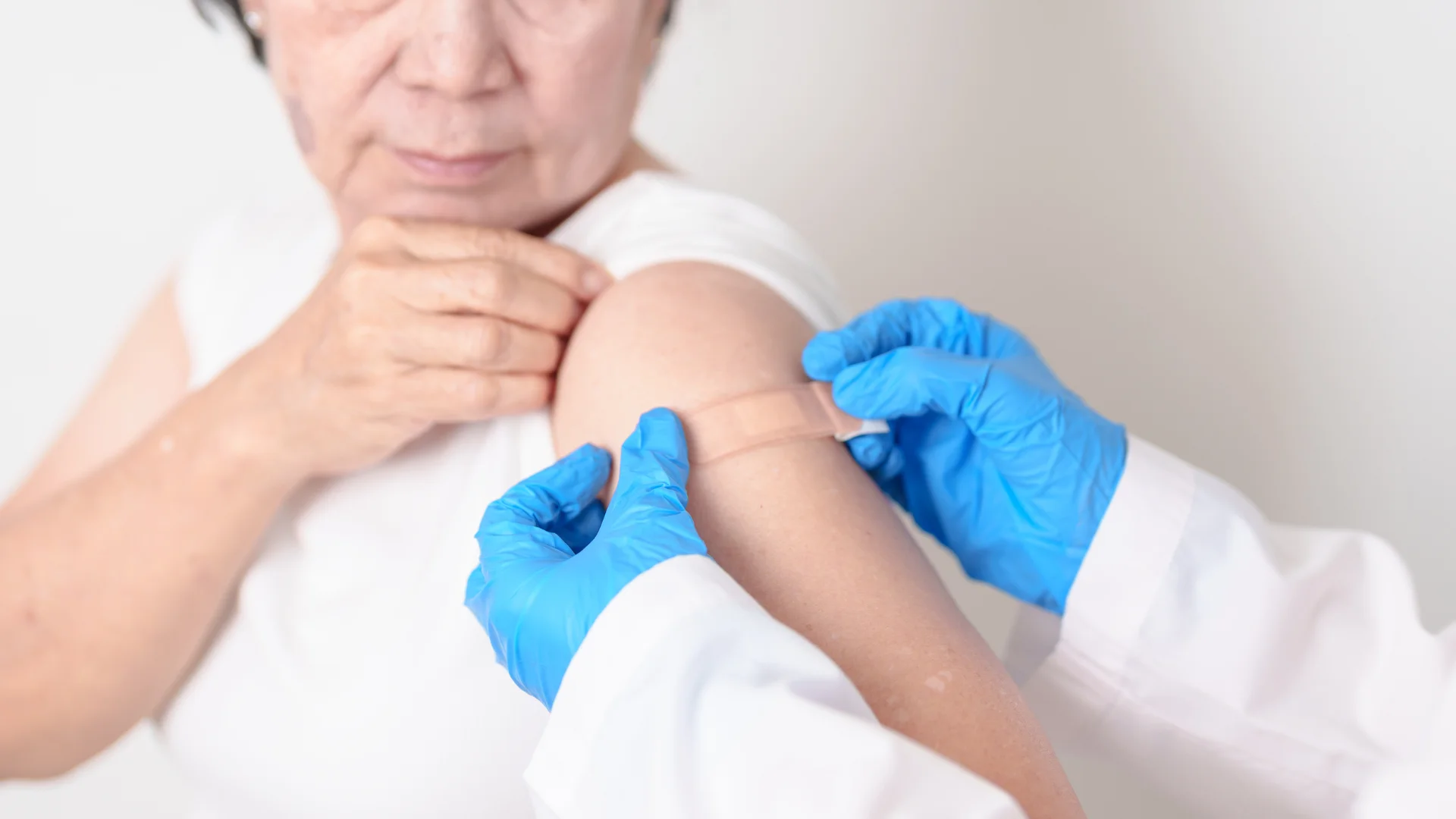
You want to discuss prevention — Vaccination may still be recommended even after a previous shingles episode.
If symptoms involve the eye, severe pain, confusion, weakness, or signs of a more serious illness, seek medical guidance right away.
Shingles awareness begins with understanding early symptoms, when to seek care, and why prevention may be worth discussing.
At iCare Medical Group, care focuses on helping patients recognize concerns early, ask informed questions, and review prevention options with a trusted care team.