Shingles prevention becomes more important as adults get older. Even people who feel generally healthy may still be at risk because shingles can happen when the chickenpox virus becomes active again later in life.
For adults 50 and older, CDC recommends the 2-dose shingles vaccine series. Patients with certain immune system conditions or treatments may need a more personalized conversation about timing, eligibility, and the best next step.
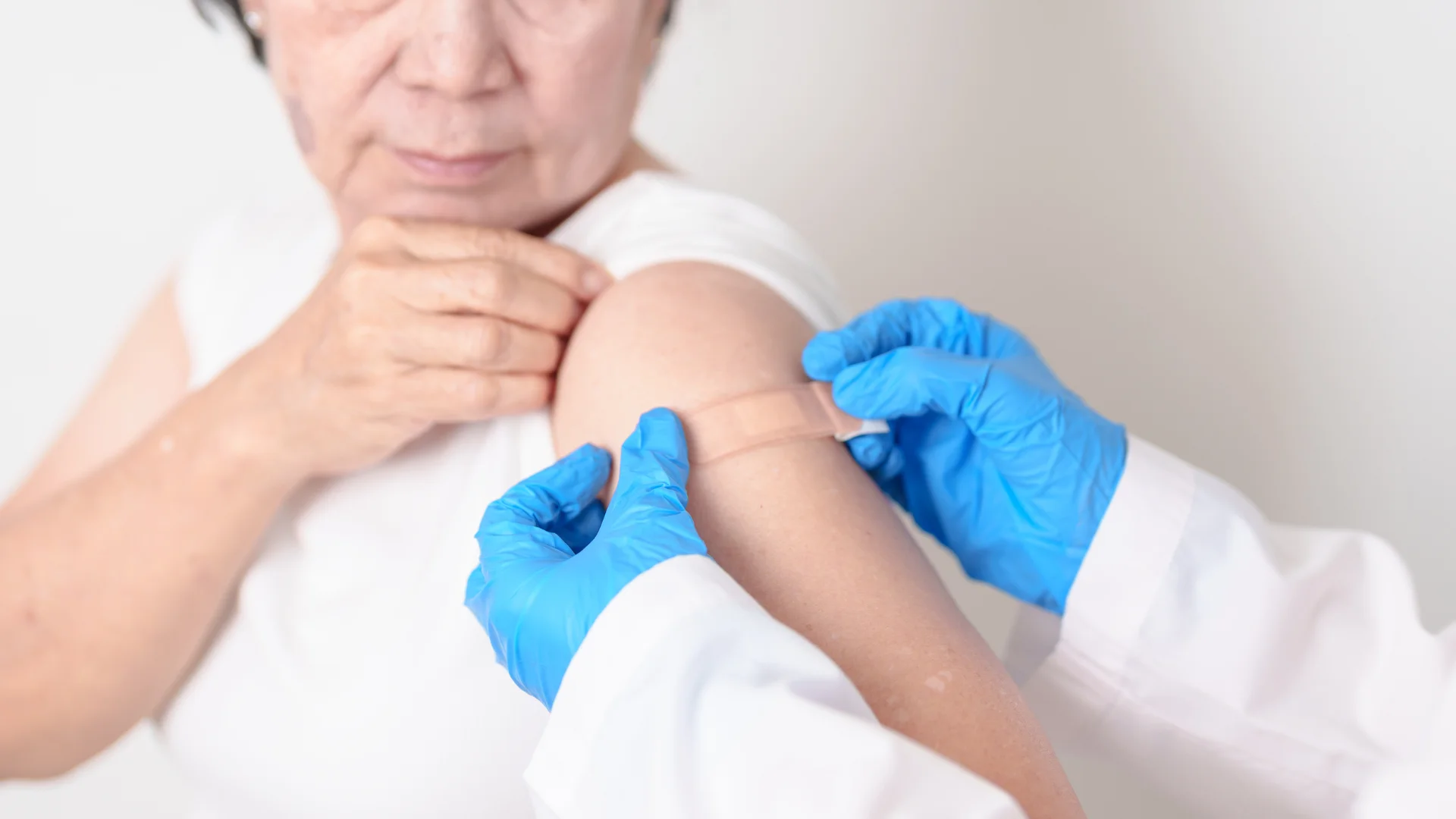
Adults 50 and older are recommended to receive the 2-dose shingles vaccine series.
People who already had shingles may still be recommended to receive vaccination after recovery.
Patients who previously received the older shingles vaccine can ask whether SHINGRIX is still recommended.
Immune system conditions, treatments, allergies, or current illness may change when vaccination should happen.

1. Confirm Your Age And Vaccine History
Tell your care team whether you are 50 or older, had shingles before, or received an older shingles vaccine.
2. Share Health And Medication Details
Discuss immune system conditions, cancer treatment, transplant medicines, steroids, biologic medications, or other therapies that may affect timing.
3. Plan The Series Clearly
Ask when to receive the first dose, when to return for the second dose, and how to keep your record updated.
UNDERSTAND THE BASICS
Many adults do not remember whether they had chickenpox. For most adults 50 and older, that does not usually stop the shingles vaccine conversation because many adults were exposed earlier in life.
Patients who already had shingles should also ask about vaccination after the active illness has resolved. Having shingles once does not always mean it cannot happen again.

Shingles prevention may include more than one conversation. Patients may need help reviewing vaccine history, timing, side effects, insurance questions, or special health situations.
Shingles prevention should feel practical and personal.
The best next step may depend on age, vaccine history, immune health, timing, and access.
A simple prevention plan can help adults understand whether vaccination is recommended and how to complete the series.
Ask about the shingles vaccine after age 50
Review your past vaccine history
Tell your care team if you had shingles before
Mention immune system conditions or treatments
Schedule the second dose before you forget
Ask about cost, coverage, or appointment questions
Shingles prevention can become harder when patients wait until symptoms appear before asking about vaccination.
Assuming shingles only happens once
Assuming no chickenpox memory means no risk
Forgetting an older shingles vaccine history
Delaying the second dose without asking
Skipping vaccination because of common temporary side effects
Waiting until a rash appears to discuss prevention
A care team conversation can help patients understand prevention without feeling rushed or pressured.
WHEN TO SEEK MEDICAL GUIDANCE
Guidance may be helpful when adults want to understand shingles risk, vaccine eligibility, previous shingles history, the 2-dose series, or coverage questions.
You are 50 or older — The shingles vaccine is recommended for many adults in this age group.
You had shingles before — Vaccination may still be recommended after the active illness is over.
You have immune system concerns — Timing may need to be reviewed more carefully.
You want to plan both doses — A clear schedule can help you complete the recommended series.
Patients with Medicare Part D may have coverage for ACIP-recommended adult vaccines, including the shingles vaccine, but coverage details should still be confirmed for each patient.
Shingles prevention begins with a clear review of age, vaccine history, health conditions, medications, allergies, and timing for both doses.
At iCare Medical Group, care focuses on helping adults understand preventive care options and discuss vaccination with the right guidance.