Heat-related illness can start with symptoms that may seem mild, such as heavy sweating, dizziness, weakness, headache, nausea, cramps, thirst, or unusual tiredness. These symptoms can become more concerning if you do not cool down or continue to stay in the heat.
Some symptoms need urgent action. Confusion, fainting, seizures, trouble staying awake, slurred speech, chest pain, severe weakness, or symptoms that suddenly worsen may point to a medical emergency.
Moving to a cooler place, resting, loosening clothing, and cooling the skin may help when symptoms first appear.
Dizziness, nausea, heavy sweating, weakness, or cramps should be taken seriously if they do not improve.
Confusion, seizures, fainting, or trouble staying awake during extreme heat require 911.
If someone is confused, vomiting, unconscious, or unable to swallow safely, do not force them to drink.
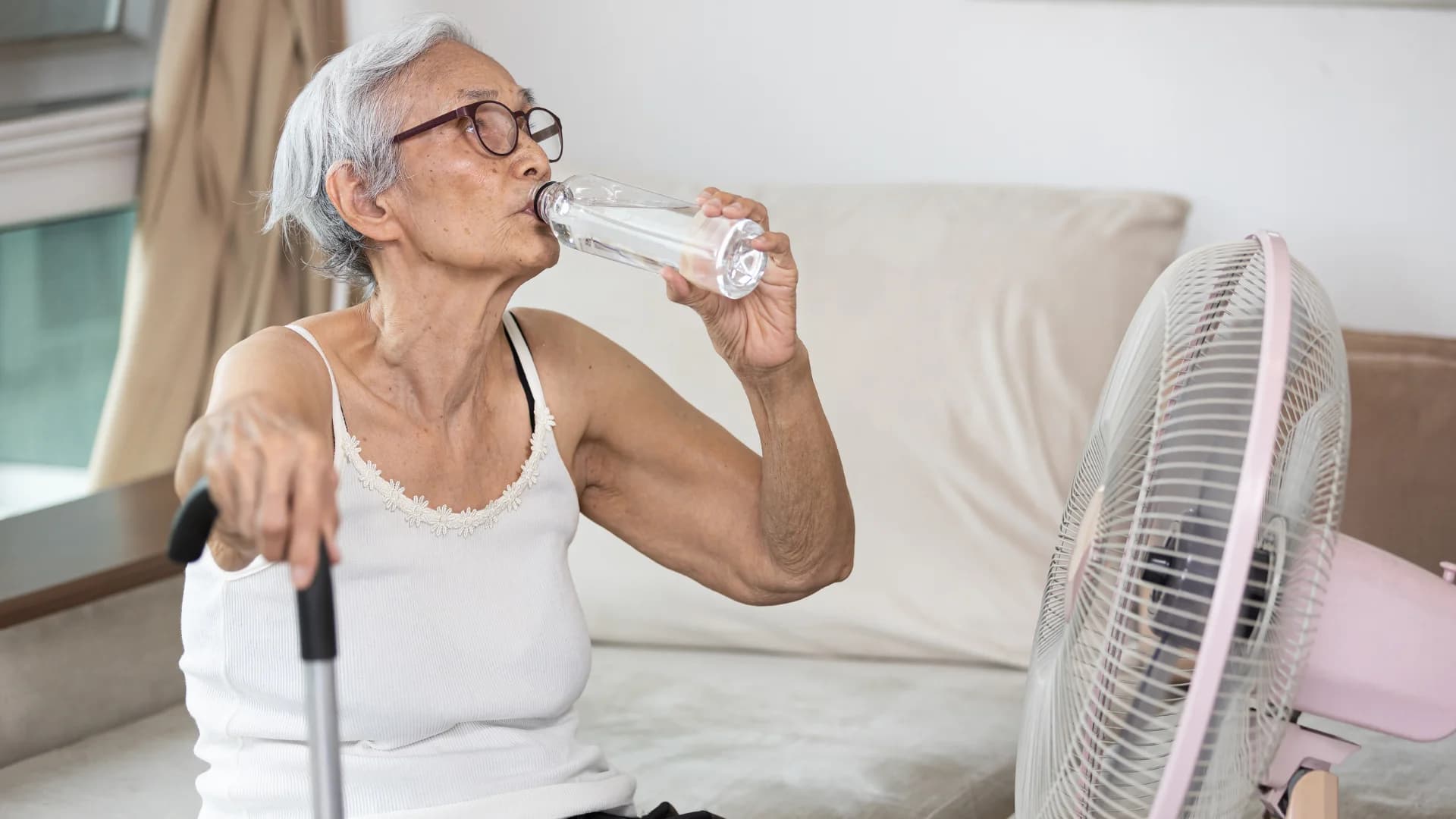

1. Move To A Cooler Place
Stop activity, get out of the heat, loosen extra clothing, and begin cooling the body with cool cloths, water, shade, or air conditioning.
2. Watch For Improvement
If the person is alert and able to swallow safely, small sips of cool water may help unless fluid intake has been restricted.
3. Know When It Is An Emergency
Call 911 if there is confusion, fainting, seizures, slurred speech, chest pain, severe weakness, trouble staying awake, or symptoms that suddenly worsen.
UNDERSTAND THE BASICS
Heat-related illness can range from uncomfortable symptoms to a medical emergency. Patients and caregivers do not need to memorize every term, but they should know which symptoms can be watched closely and which symptoms need fast help.
Heat exhaustion may involve heavy sweating, dizziness, weakness, headache, nausea, cramps, thirst, or fainting. Heat stroke is more serious and may involve confusion, unusual behavior, seizures, loss of consciousness, or trouble staying awake.
After someone begins to feel overheated, symptoms should be watched closely. The person should not return to heat or strenuous activity until they have cooled down and symptoms have improved.
Heat symptoms deserve attention early. A calm response can help patients and caregivers know when to cool down, when to call the care team, and when to call 911.
A simple plan can help patients and caregivers respond more calmly when heat begins to affect the body.
Stop activity and move to a cooler place
Use cool cloths, water, or air conditioning
Rest and watch symptoms closely
Offer small sips of water only when safe
Call your care team if symptoms are concerning or not improving
Call 911 for confusion, fainting, seizures, or trouble staying awake
Heat-related illness can become more serious when people try to push through symptoms or wait too long to cool down.
Returning to the heat too soon
Ignoring dizziness, weakness, or nausea
Giving fluids to someone who cannot swallow safely
Assuming confusion is normal tiredness
Waiting to call 911 for emergency warning signs
Treating heat stroke as a regular appointment concern
When symptoms are mild, early cooling and guidance may help. When emergency signs appear, fast action matters.
WHEN TO SEEK MEDICAL GUIDANCE
Medical guidance may be helpful when symptoms from heat feel concerning, do not improve with rest and cooling, or involve a patient with chronic health conditions.
Symptoms are not improving — Ongoing dizziness, nausea, cramps, weakness, or headache may need medical guidance.
Vomiting or fainting occurs — These symptoms should be taken seriously, especially during extreme heat.
Chronic health concerns are involved — Heart, kidney, lung, diabetes, or medication concerns may change the plan.
Emergency warning signs appear — Confusion, seizures, chest pain, trouble breathing, or trouble staying awake require 911.
For non-emergency heat safety questions, patients may contact iCare Medical Group. In Los Angeles County, 211 can help patients find community resources such as cooling centers. For signs of heat stroke or life-threatening symptoms, call 911 right away.
Heat symptom care begins with cooling the body, watching for improvement, and knowing when symptoms require urgent or emergency attention.
At iCare Medical Group, care focuses on helping patients understand heat safety, prepare before temperatures rise, and seek the right level of support when symptoms appear.