
Stay Safe and Cool During Extreme Heat
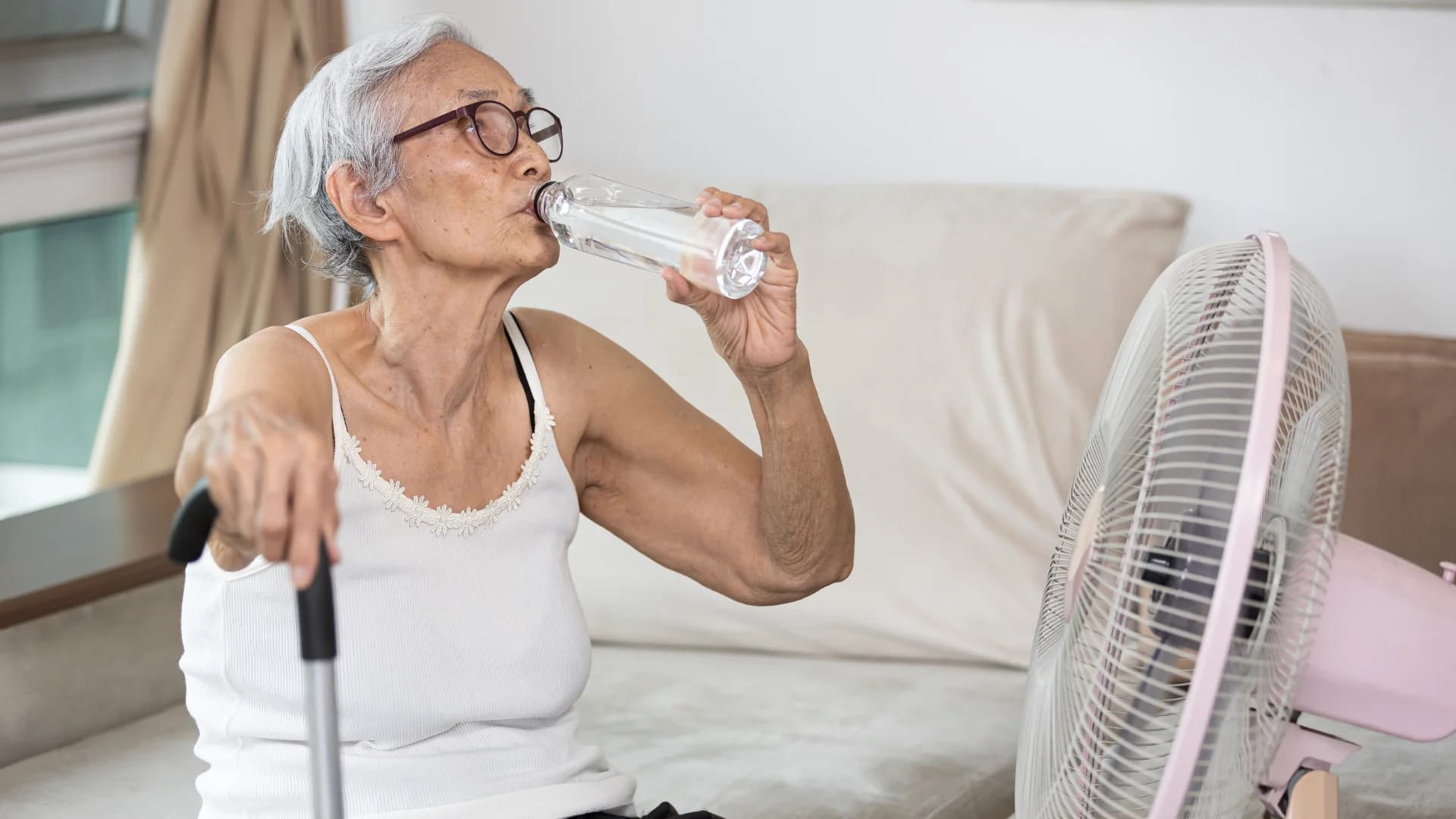
Hot weather can affect everyone, but extreme heat can be especially challenging for older adults and people living with certain health conditions. Staying hydrated, keeping cool, and knowing the warning signs can help you stay safe.
Some people may need to be more careful during very hot weather, especially if they have heart, kidney, lung, or blood sugar concerns, take certain medications, have limited mobility, or do not have reliable air conditioning at home.
This guide shares simple, practical tips to help you prepare for hot weather, reduce your risk of heat-related illness, and know when it may be time to seek medical care.

EXPLORE TOPICS
Heatwave Safety Guides

Understanding Extreme Heat and How It Affects You
Hot weather can affect hydration, energy, breathing, heart condition, medications, and your risk of heatstroke. Knowing what happens inside the body can help you stay safer during high-temperature days.

Simple Ways to Stay Safe in Hot Weather
Stay cool, drink enough water, limit exposure to high temperatures, and prepare your home before temperatures rise. Small steps can make a big difference during extreme heat.

Heat Safety for Older Adults and People with Health Conditions
Higher temperatures may be harder on older adults and people with heart, kidney, lung, or other chronic health concerns. Medications and mobility limits can also affect heatstroke risk.
Know the Signs of Heat-Related Illness
Know the signs of overheating and heat-related illness, what to do when symptoms first appear, and when emergency care may be needed.