After a medical visit, procedure, hospital stay, or change in treatment, patients and families may have many instructions to follow at home. They may need to track symptoms, schedule follow-ups, take medications, watch for warning signs, or adjust daily routines.
Recovery education helps patients and caregivers understand what to do after care. Clear instructions can reduce confusion and help families know when to call for help.
Follow-up care, medications, symptoms, meals, rest, and movement can all affect recovery.
Patients and families should understand what to do, what to avoid, and what to watch for.
Appointments, lab work, referrals, and test results may need to be tracked after care.
New, worsening, sudden, or severe symptoms should be reported or treated urgently when needed.


1. Review The Instructions
Understand medications, activity guidance, diet instructions, wound or skin care, follow-up appointments, and restrictions if any.
2. Watch For Changes At Home
Track symptoms, pain, breathing, appetite, energy, swelling, fever, mood, or mobility changes as advised.
3. Know When To Call
Ask which symptoms need a call to the office, which need urgent care, and which are expected during recovery.
UNDERSTAND THE BASICS
Recovery does not end when the appointment or hospital stay ends. Patients may need to continue medications, attend follow-up visits, complete referrals, monitor symptoms, or slowly return to daily routines.
Clear education can help patients and caregivers understand which steps matter most and how to avoid missing important follow-up.
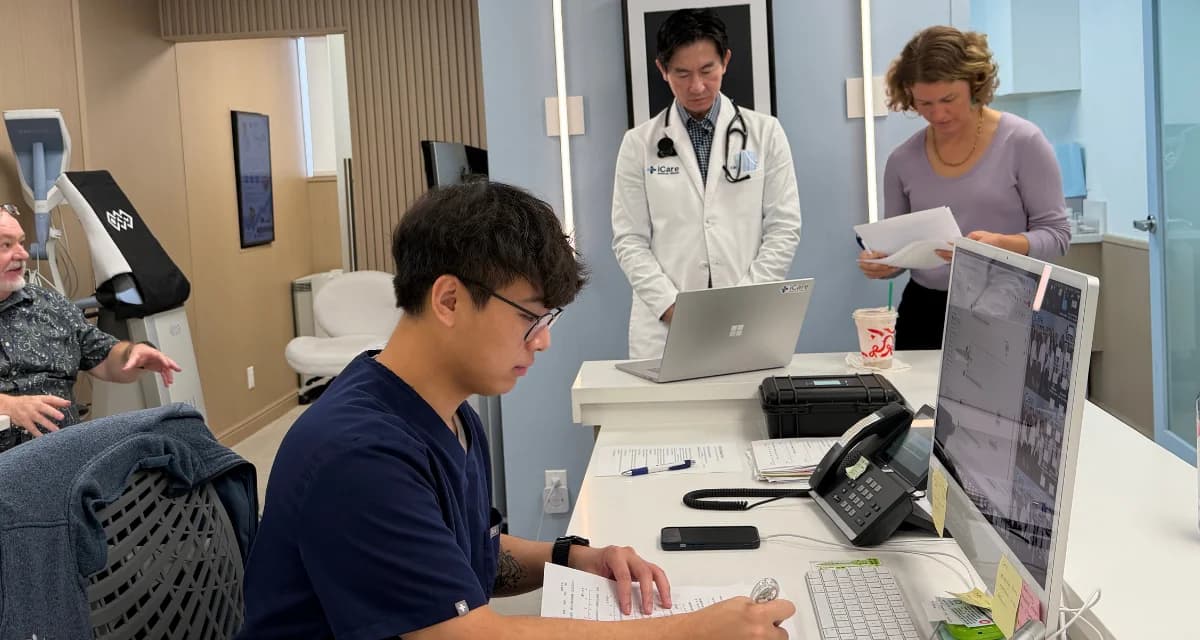
Recovery plans may need adjustment when symptoms, medications, mobility, energy, or follow-up needs change.
Clear recovery instructions help families feel less alone at home.
Patients should know what to do next and when to reach out.
A simple recovery routine can help patients and families stay organized during the days and weeks after care.
Review instructions before leaving the visit or facility
Keep medication changes written down
Schedule follow-up appointments early
Track symptoms that need monitoring
Ask what warning signs need urgent attention
Keep family or caregivers informed when they are helping
Recovery can become riskier when instructions are missed, symptoms are ignored, or follow-up is delayed.
Leaving without understanding instructions
Skipping follow-up appointments
Stopping medications without guidance
Ignoring sudden or worsening symptoms
Assuming confusion will resolve on its own
Waiting too long to call when something feels wrong
Recovery support works best when patients and families know the plan before problems become urgent.
WHEN TO SEEK MEDICAL GUIDANCE
Guidance may be helpful when patients or caregivers feel unsure about recovery instructions, follow-up steps, medications, or symptoms at home.
You are unsure what to do after a visit or hospital stay — Instructions, restrictions, and follow-ups may need review.
Symptoms are changing at home — Pain, fever, breathing changes, swelling, weakness, or confusion should be discussed.
Medications were changed — Timing, side effects, refills, and safety questions may need clarification.
Follow-up feels hard to track — Appointments, referrals, test results, and home routines may need organization.
If symptoms feel sudden, severe, or life-threatening, seek emergency care right away.
Recovery support begins with understanding instructions, medications, warning signs, follow-up appointments, and the kind of help needed at home.
At iCare Medical Group, care focuses on helping patients and families feel more prepared after visits, hospital stays, and treatment changes so recovery feels clearer and more supported.