Medical visits can feel rushed when patients have many symptoms, questions, medications, or family concerns to discuss. It is common to remember an important question only after leaving the appointment.
Patient and family education can help patients prepare before visits, speak up during conversations, understand care options, and leave with clearer next steps. A little preparation can make each visit feel more useful and less stressful.
Patients and families should feel comfortable asking what something means and why it matters.
Writing down symptoms, medications, and questions can make visits easier to follow.
Patients should understand the benefits, risks, alternatives, and next steps when care decisions are discussed.
When the patient agrees, a family member or caregiver can help listen, take notes, and ask practical questions.


1. Write Down Your Main Questions
List the concerns you most want to discuss, including symptoms, medications, test results, treatment options, or daily care needs.
2. Bring Helpful Information
Bring medication lists, home readings, recent hospital papers, specialist updates, or notes from a caregiver when available.
3. Confirm The Next Step Before Leaving
Ask what should happen next, when to follow up, what to watch for, and who to contact with questions.
UNDERSTAND THE BASICS
Patients do not need to know every medical term before a visit. What matters is knowing what feels unclear, what has changed, and what questions need attention.
When treatment options are discussed, patients can ask about benefits, risks, possible side effects, alternatives, and how the choice fits their daily life and personal goals.
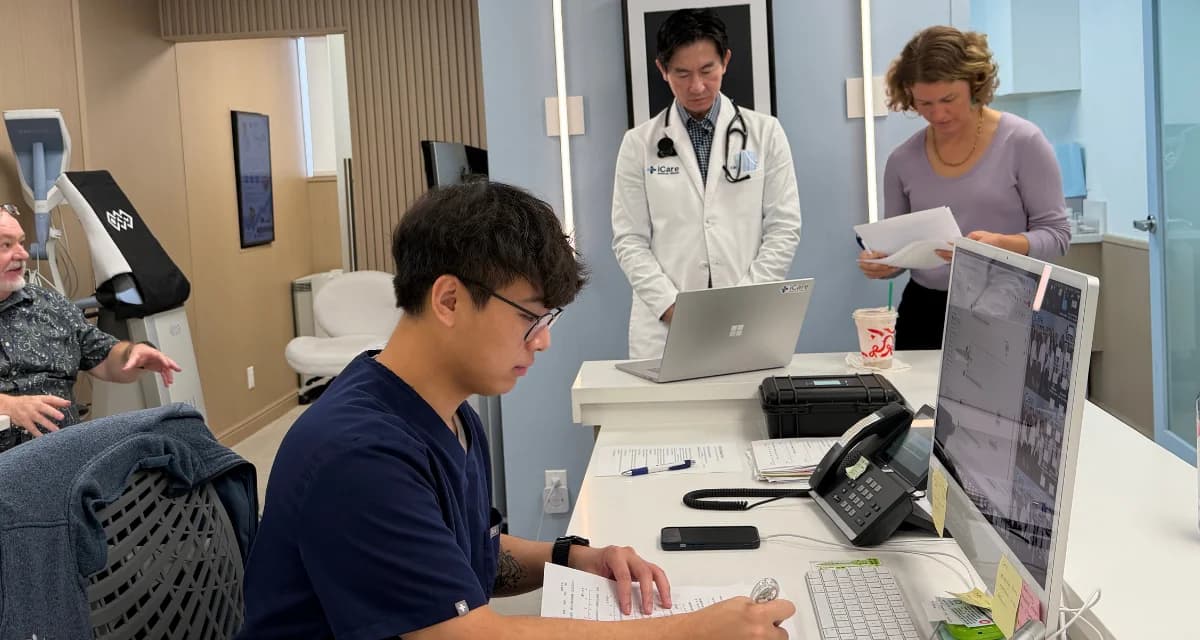
Care conversations may continue over several visits, especially when treatment options, test results, or symptoms need follow-up.
Patients deserve care conversations they can understand.
Asking questions is part of being involved in care.
A simple preparation routine can help patients and families feel calmer and more organized before appointments.
Bring an updated medication list
Write down your top three questions
Bring notes from family or caregivers when helpful
Ask what each test or treatment is for
Repeat the plan back in your own words
Write down the next step before leaving
Visits can feel harder when patients rely on memory alone or avoid asking for clarification.
Waiting until the end to ask the most important question
Pretending to understand instructions
Leaving without knowing the next step
Forgetting to mention new symptoms
Assuming every provider has the full picture
Feeling embarrassed to ask for simpler explanations
Preparation can help patients and families feel more confident and involved in care.
WHEN TO SEEK MEDICAL GUIDANCE
Guidance may be helpful when appointments, test results, treatment options, or care instructions feel difficult to understand.
You have many questions before a visit — Preparing ahead can help make the conversation clearer.
A family member helps with care — They may help take notes or ask practical questions when the patient agrees.
Treatment choices feel confusing — Benefits, risks, side effects, and alternatives may need review.
You often leave visits unsure what to do next — Clearer instructions can help patients feel more prepared.
Patients and families deserve care conversations that feel respectful, understandable, and useful.
Visit preparation begins with writing down questions, gathering important information, and asking for clear next steps before leaving.
At iCare Medical Group, care emphasizes patient understanding, family support, and respectful conversations so patients can feel more prepared to make decisions about their health.