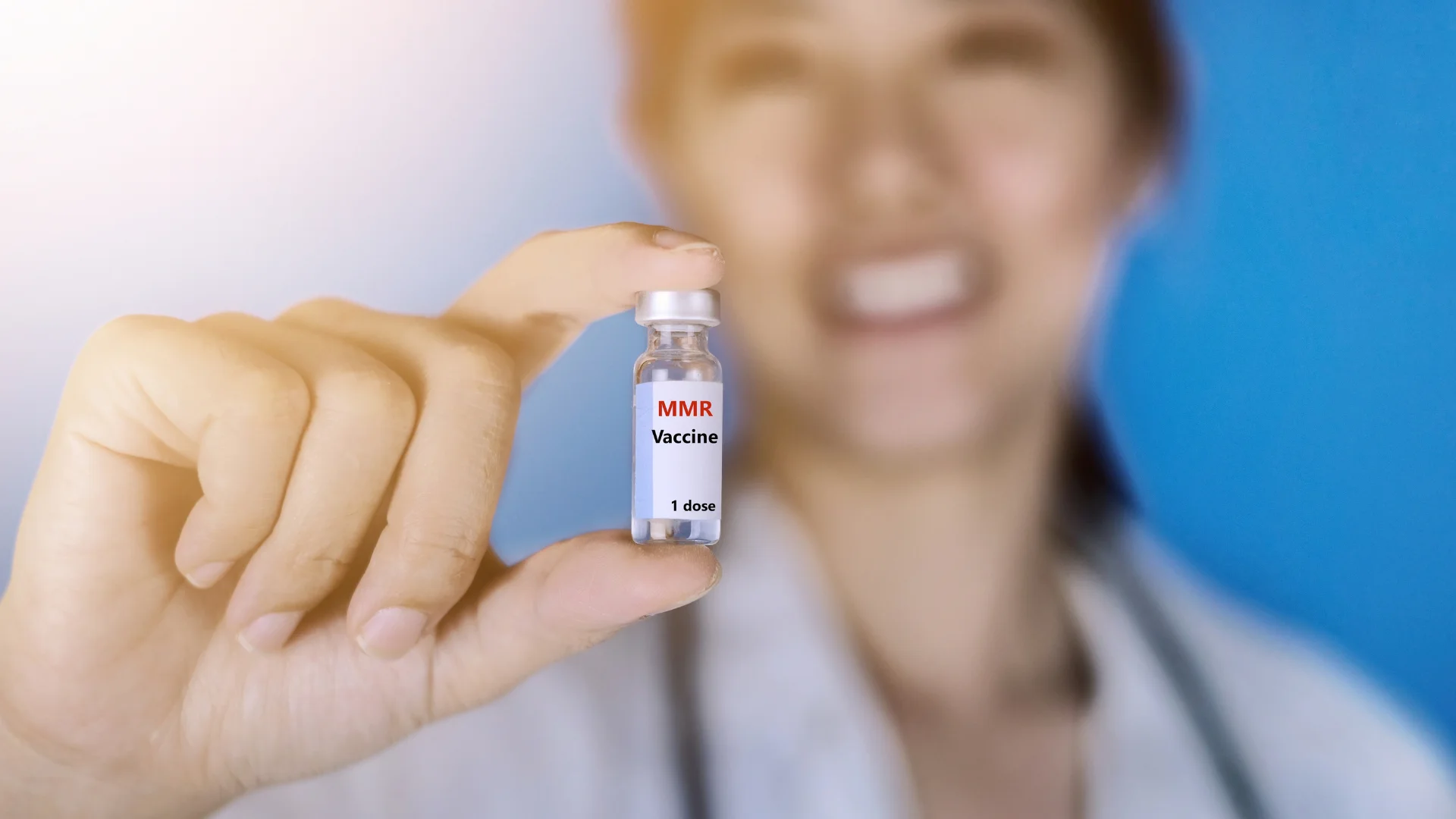
The MMR vaccine helps protect against measles, mumps, and rubella in one vaccine. PRIORIX is one MMR vaccine option that may be used for people 12 months of age and older when appropriate.
For many patients and families, the most helpful first step is to review age, vaccine history, health history, travel plans, school or work needs, and whether there is evidence of immunity.
MMR vaccination helps protect against measles, mumps, and rubella.
PRIORIX is one available MMR vaccine option used to help prevent measles, mumps, and rubella.
Your vaccine history can help your care team understand whether another dose may be needed.
Pregnancy, certain immune system problems, current illness, or past severe reactions should be discussed before vaccination.

1. Check Your Vaccine History
Bring any vaccine records, school forms, travel requirements, or lab results that may show immunity.
2. Share Important Health Details
Tell your care team about pregnancy, immune system conditions, current illness, allergies, recent blood products, or past vaccine reactions.
3. Ask What Schedule Applies To You
Some people need one dose, some need two, and some may already have enough evidence of protection.
UNDERSTAND THE BASICS
MMR vaccination is used to help prevent measles, mumps, and rubella. In the United States, PRIORIX is one available MMR vaccine option. Your care team can help determine which vaccine option and schedule fit your situation.
Patients should not have to guess whether they need a vaccine dose. Your care team can review your age, vaccine records, risk factors, and health history to decide what may be appropriate.

Most side effects after MMR vaccination are mild and improve on their own. Sore arm, redness where the shot is given, fever, and a mild rash can happen. Some people may also notice swollen glands or temporary joint pain and stiffness.
Serious reactions are rare, but patients should ask for guidance if symptoms after vaccination feel severe, unusual, or concerning.
Vaccination is a prevention step, not a pressure point. Patients deserve clear answers before making care decisions.
A simple plan can help patients and families prepare for vaccination and keep records clear.
Bring vaccine records when available
Ask whether one or two doses are recommended
Share allergies, pregnancy, or immune system concerns
Keep the vaccine record after the visit
Ask what side effects may happen
Confirm whether follow-up is needed
MMR vaccine decisions can feel harder when patients rely on memory or do not know which questions to ask.
Assuming records are complete without checking
Waiting until travel or school deadlines are close
Forgetting to mention pregnancy or immune system treatment
Assuming all adults have the same vaccine needs
Expecting vaccination to remove every possible risk
Ignoring severe or unusual symptoms after vaccination
The goal is a clear prevention plan that fits the patient’s vaccine history and health needs.
WHEN TO SEEK MEDICAL GUIDANCE
Medical guidance may be helpful when patients want to understand MMR vaccine eligibility, PRIORIX, dose timing, side effects, records, or whether vaccination may be appropriate.
You are unsure about vaccine records — Your care team can help review what may be needed.
You have school, work, or travel needs — Timing may need to be planned before deadlines or departure.
You are pregnant or planning pregnancy — MMR vaccine timing should be discussed carefully.
You have immune system concerns — Some patients need a more personalized review before live vaccines.
MMR is a live vaccine and may not be appropriate during pregnancy or for people with certain immune system conditions. Your healthcare provider can help you review your situation safely.
MMR vaccine planning begins with reviewing age, vaccine history, health conditions, allergies, pregnancy considerations, and any school, work, travel, or exposure-related concerns.
At iCare Medical Group, care focuses on helping patients and families understand prevention options clearly so vaccination decisions feel informed and practical.