Measles, mumps, and rubella are contagious illnesses caused by viruses. They are different diseases, but they are often discussed together because the MMR vaccine helps protect against all three.
For many patients and families, the goal is simple: understand what these illnesses can look like, know why prevention matters, and ask the right questions if someone may not be fully protected or may have been exposed.
Measles is highly contagious and spreads through respiratory droplets suspended in the air. Symptoms include high fever, cough, runny nose, red/watery eyes, and a characteristic rash.
Mumps typically cause painful swelling of the salivary glands near the cheeks and jaw, accompanied by fever, headache, fatigue, and muscle aches.
While rubella (German measles) is often mild in children and adults, contracting it during pregnancy can cause severe birth defects, miscarriage, or stillbirth.
MMR vaccination helps lower the risk of these illnesses and supports protection at home, school, work, and in the community.


1. Understand The Three Illnesses
Measles, mumps, and rubella present with different symptoms, but all three are viral infections that spread easily from person to person.
2. Notice Symptoms Or Exposure Early
If you notice a fever, unexplained rash, swollen glands, or have a known exposure, contact a healthcare provider immediately. Always call your clinic before arriving to prevent exposing other patients.
3. Review Vaccine Protection
If you are unsure whether you or your child is up to date, your care team can help review records and next steps.
UNDERSTAND THE BASICS
Measles, mumps, and rubella may sound like childhood illnesses, but they can affect people of different ages when someone is not protected. Measles can be very contagious. Mumps can cause swelling and discomfort, and in some cases may lead to complications. Rubella is especially important to prevent because of the risks it can create during pregnancy.
MMR vaccination is one of the main ways to help prevent these diseases. Staying up to date can help protect the person receiving the vaccine and may also help reduce spread to others.
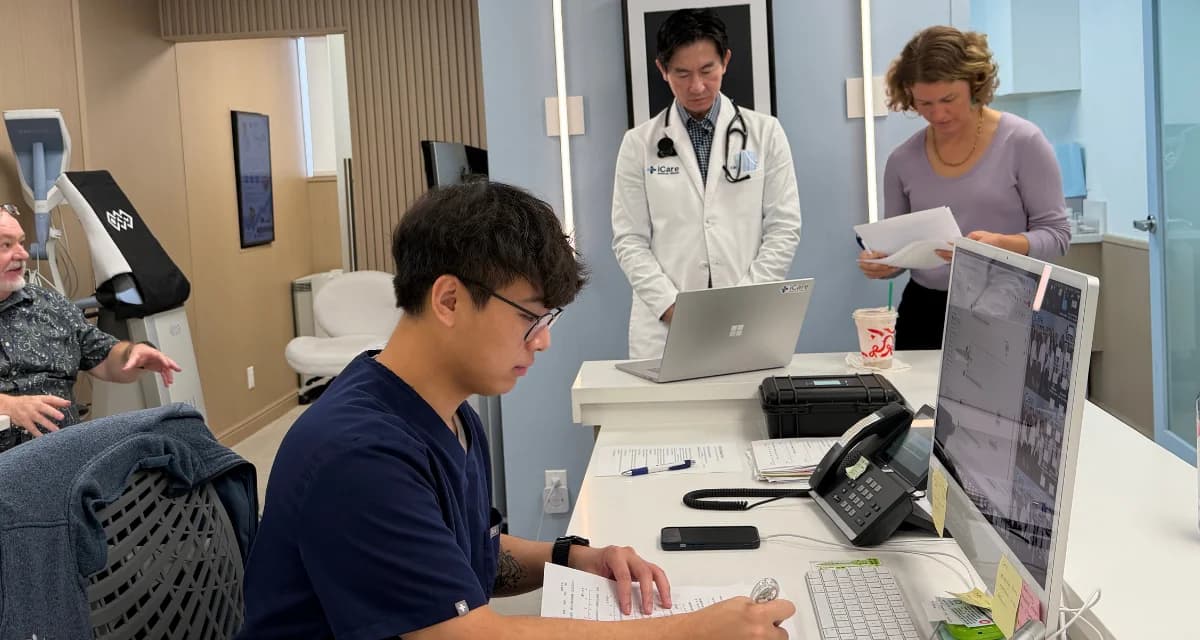
Questions about measles, mumps, rubella, and vaccination may come up at different times, such as before school, before travel, during pregnancy planning, after possible exposure, or when vaccine records are missing.
Clear information can help families respond calmly. When symptoms or vaccine questions come up, the next step starts with asking for guidance.
A simple routine can help families stay prepared, especially when records, travel, school forms, or health questions need review.
Keep vaccine records updated
Ask about MMR vaccination before school or travel
Call ahead if measles-like symptoms or exposure are possible
Talk with your care team about pregnancy planning
Ask what to do after a known exposure
Review vaccine history when records are missing
Vaccine questions can feel harder when records are scattered or symptoms are ignored.
Assuming records are complete without checking
Waiting to ask about vaccine needs until the last minute
Going directly to a clinic with possible measles symptoms without calling first
Assuming adults never need MMR review
Relying only on memory for vaccine history
Ignoring rash, fever, or swollen glands after exposure
The goal is to help patients and families understand the next step without feeling rushed or overwhelmed.
WHEN TO SEEK MEDICAL GUIDANCE
Medical guidance may be helpful when symptoms appear, exposure is possible, vaccine records are unclear, or a patient wants to understand whether MMR vaccination may be needed.
You are unsure about vaccine records — A care team can help review what may be missing.
You or your child may have been exposed — Early guidance can help you know what to do next.
Symptoms develop — Fever, rash, swollen glands, cough, or severe discomfort should be discussed.
You are planning travel, school, work, or pregnancy — Vaccine timing may need review.
For signs of heat stroke, such as confusion, fainting, seizures, or trouble staying awake, call 911 right away.
Understanding measles, mumps, and rubella begins with knowing the symptoms, reviewing vaccine records, and asking what prevention step may be appropriate.
At iCare Medical Group, care focuses on helping patients and families understand vaccination needs clearly and make informed decisions with their healthcare provider.