
Protein-Rich Diet: Build Strength and Energy
A practical guide to spreading protein evenly throughout the day using balanced meals and fiber-rich sides that support strength, energy, and overall health.
Spreading protein evenly across meals supports steadier energy and recovery.
Choose lean, lower saturated fat protein sources most often.
Combining protein with fiber helps you stay satisfied longer.
Aim for palm-size servings and adjust based on your needs and goals.
Today's focus
Your protein-forward plate
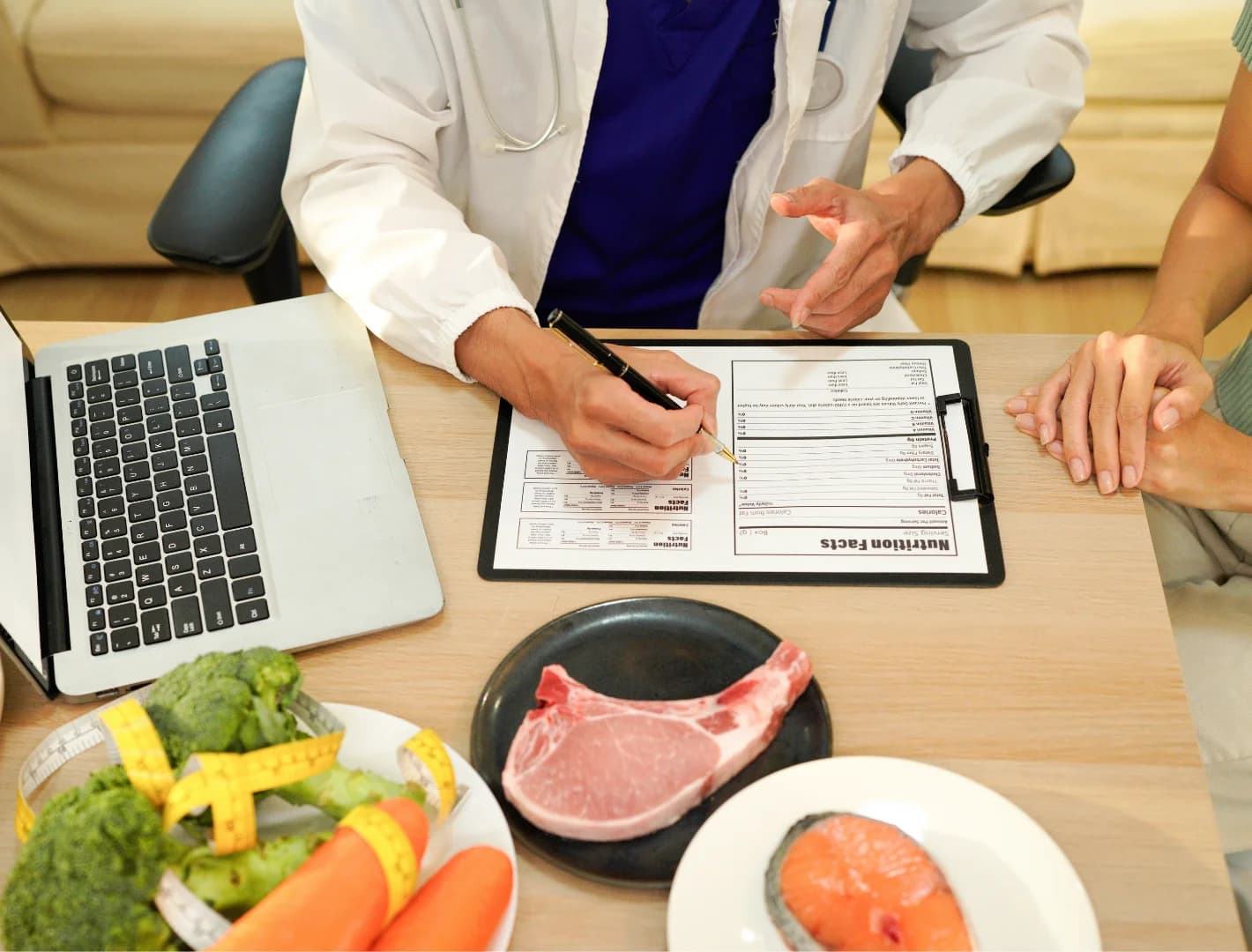

Protein At Every Meal
Include a quality protein source to support muscle, energy, and fullness.
Pair With Fiber
Add vegetables, legumes, or whole grains to support digestion and balance.
Balance With Healthy Fats
Include small amounts of healthy fats to improve satisfaction and nutrient absorption.
Understand the basics
What is a protein-rich diet?
A protein-rich diet balances lean protein with fiber and healthy fats to support muscle strength, recovery, and steady energy. It works best when protein is spread evenly across meals.
You do not need to overdo it. Focus on quality sources and consistent timing throughout the day.
Signs it's working
- More steady energy during the day
- Improved recovery after activity
- Less intense hunger swings
- Meals feel more satisfying
Sample protein-forward plates
- Eggs + greens
- Greek yogurt + fruit
- Protein oats
- Chicken salad
- Tofu grain bowl
- Turkey wrap
- Fish + vegetables
- Beans + quinoa
- Lean meat + salad
- Cottage cheese + berries
- Hummus + veggies
- Protein smoothie
Aim for protein at each meal and snack, paired with fiber for staying power.
Core pillars
- Palm-size portions
- Spread across meals
- Adjust for activity
- Lean animal protein
- Plant protein
- Low-sugar dairy
- Fiber-rich carbs
- Healthy fats
- Colorful vegetables
- Hydration
- Sleep routine
- Post-workout timing
Build your plate
A protein-forward rhythm
- Vegetables
- Color and fiber
- Roasted or raw
- Protein source
- Palm-size portion
- Lean or plant-based
- Whole grains
- Fruit or legumes
- Energy support
Do more of this
Include protein at breakfast.
Pair protein with vegetables.
Use Greek yogurt or cottage cheese.
Plan snacks with protein + fiber.
Hydrate alongside higher protein intake.
Limit these habits
Rely only on processed protein bars.
Skip fiber when increasing protein.
Overdo high-fat meats daily.
Forget hydration during workouts.
Skip meals and then overeat later.
When to reach out
Get personalized guidance
- !
You're unsure how much protein to aim for.
- !
You are losing strength or muscle unintentionally.
- !
Meals feel too restrictive or repetitive.
- !
You have kidney concerns or special diet needs.
- !
You want a plan for training or recovery.
Next up in the diet series
- Diabetes-friendly diet: Steady glucose with balanced plates.
- Heart-healthy diet: Protect your heart with simple, flavorful changes.
- Gout-friendly diet: Lower uric acid with smart swaps.