
Heart-Healthy Diet: Support Your Cardiovascular Health
Build meals that support healthy cholesterol and blood pressure while keeping flavor, enjoyment, and variety at the center of everyday eating.
Choose olive oil, avocado, nuts, and fatty fish more often to support cardiovascular health.
Soluble fiber from oats, beans, and fruit helps support healthier LDL levels.
Lower sodium intake supports blood pressure staying in a safer range.
Small, steady food choices add up to meaningful heart benefits over time.
Today's focus
Your heart-smart plate
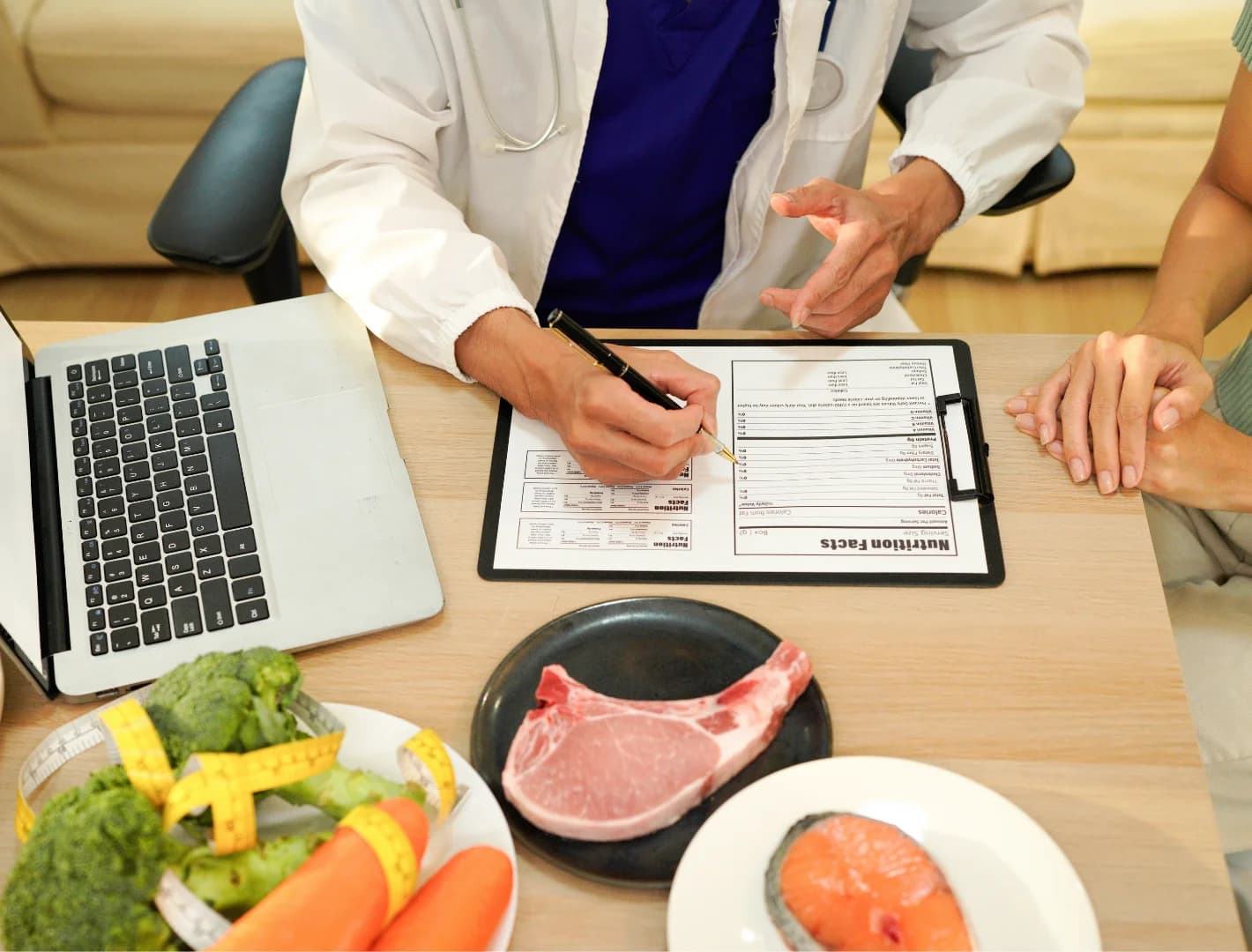

Vegetables First
Fill half your plate with colorful vegetables to support fiber intake and vascular health.
Lean Protein
Choose lean, heart-friendly proteins to support muscle and satiety.
Fiber-Rich Grains
Add whole, fiber-rich grains to help support cholesterol balance.
Understand the basics
What is a heart-healthy diet?
A heart-healthy diet emphasizes fiber, unsaturated fats, and lean proteins while limiting excess sodium and processed foods. The goal is to support healthy blood pressure and cholesterol levels over time.
This approach focuses on steady habits. Add vegetables, choose whole grains, and select healthy fats most days of the week.
Signs it's working
- Meals feel satisfying without heaviness
- Blood pressure trends feel more stable
- Fewer salty cravings
- Energy stays steady after eating
Heart-friendly swaps
- Butter
- Creamy sauces
- Fried sides
- Olive oil
- Yogurt-based sauces
- Roasted vegetables
Read labels on sauces, soups, and breads.
Rinse canned beans and vegetables.
Aim for < 2,300 mg sodium/day unless advised otherwise.
Core pillars
- Include soluble fiber daily
- Choose omega-3 rich fish regularly
- Limit trans fats
- Make lower-sodium food choices
- Add potassium-rich foods
- Cook at home more often
- Be mindful of added oils
- Choose lean protein portions
- Balance snacks with fiber and protein
- Use herbs and citrus
- Add vinegars and spice blends
- Toast nuts or seeds for depth and crunch
Build your plate
A simple heart-smart rhythm
- Vegetables
- Leafy greens
- Colorful variety
- Lean protein
- Fish or poultry
- Plant protein
- Whole grains
- Beans or lentils
- Fiber-rich sides
Do more of this
Choose baked, grilled, or roasted foods.
Swap butter for olive or avocado oil.
Add beans or oats for soluble fiber.
Flavor with herbs, citrus, and spices.
Plan fish meals twice weekly.
Small, repeatable choices can make heart-healthy eating feel both enjoyable and sustainable.
Limit these habits
Rely on processed meats and deli items.
Eat fried foods often.
Use high-sodium sauces daily.
Skip fiber at meals.
Ignore portion size with salty snacks.
Reducing these patterns helps protect heart health over time.
When to reach out
Get personalized guidance
- !
You are managing high blood pressure or cholesterol.
- !
You take heart medications and need meal guidance.
- !
Meals feel confusing or overly restrictive.
- !
You want a heart-smart plan for your family.
- !
Your labs are trending in the wrong direction.
Personalized support can help bring clarity, confidence, and steadier progress.
Next up in the diet series
- Diabetes-friendly diet: Support steadier glucose with balanced, repeatable plates.
- Gout-friendly diet: Lower uric acid through thoughtful, practical food swaps.
- Protein-rich diet: Support energy, strength, and daily function.