
Diabetes-Friendly Diet: Build a Balanced Plate
Learn a simple, repeatable approach to planning meals that support steady energy and healthier glucose patterns. The focus is balance and consistency, not restriction, so eating feels supportive and sustainable in everyday life.
Balanced carbohydrates, protein, and fiber help prevent sharp spikes and crashes.
Use a simple visual guide for portions that can be repeated anywhere.
Choose whole grains, legumes, and vegetables more often.
Regular meal timing supports steadier glucose levels and appetite control.
Today's blueprint
Your diabetes-friendly plate
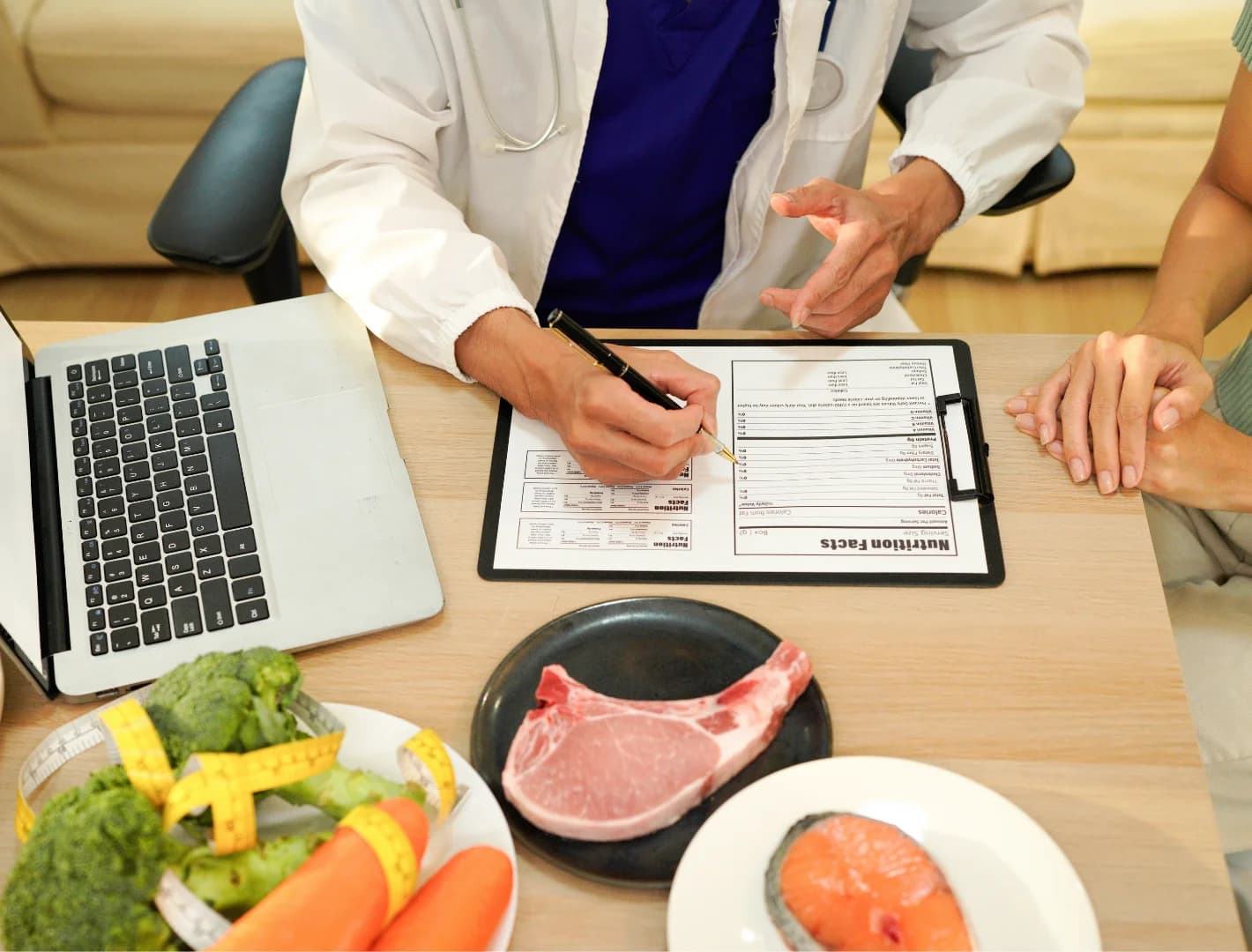

Veggies First
Fill half your plate with non-starchy vegetables to support fullness and glucose balance.
Protein Next
Add a steady protein source to help stabilize energy and reduce blood sugar spikes.
Fiber-Rich Carbs Last
Choose whole, high-fiber carbohydrates to round out the meal more gently.
Understand the basics
What is a diabetes-friendly diet?
A diabetes-friendly diet balances carbohydrate quality with protein, healthy fats, and fiber. The goal is to support steadier glucose trends and consistent energy throughout the day.
You do not need perfect meals. Focus on repeatable habits like adding vegetables, including protein, and choosing high-fiber carbohydrates more often.
Signs it's working
- More stable energy during the day
- Fewer intense sugar cravings
- More predictable post-meal glucose
- Meals feel satisfying and balanced
A nutrition coaching session can help personalize these habits and make them easier to sustain.
Sample balanced plates
- Greek yogurt + berries
- Chia or flax seeds
- A small handful of walnuts
- Grilled chicken salad
- Avocado + beans
- Olive oil vinaigrette
- Salmon + roasted vegetables
- Quinoa or brown rice
- Side salad
Pair fruit with protein or healthy fats to slow absorption and help reduce glucose spikes.
Core pillars
- Watch portion size
- Pair carbohydrates with protein
- Choose high-fiber options more often
- Eat at consistent times
- Avoid long gaps between meals
- Plan balanced snacks when needed
- Spot added sugars
- Check serving size
- Limit sugary drinks
- Half the plate with vegetables
- One quarter protein
- One quarter smart, high-fiber carbohydrates
Build your plate
A simple meal rhythm
- Non-starchy vegetables
- Colorful variety
- Roasted or steamed
- Lean protein
- Palm-size portion
- Plant or animal sources
- High-fiber carbs
- Whole grains
- Beans or sweet potato
Do more of this
Start meals with vegetables and protein.
Choose water or unsweetened tea.
Add fiber with beans, oats, or berries.
Pair fruit with protein or nuts.
Aim for consistent meal times.
Small, repeatable choices help support steadier energy and glucose balance.
Limit these habits
Skip meals and over-correct later.
Rely on sugary drinks or juice.
Overdo refined carbohydrates and pastries.
Forget protein at breakfast.
Eat heavy meals late at night often.
Reducing these patterns can help smooth glucose swings and support steadier energy.
When to reach out
Get personalized guidance
- !
You feel shaky, lightheaded, or dizzy after meals.
- !
Glucose readings swing widely from day to day.
- !
You feel unsure how to plan meals around medications.
- !
Weight changes are rapid or unintentional.
- !
You want a plan tailored to your lifestyle and routine.
Support can help bring clarity, safety, and steadier progress.
Next up in the diet series
- Heart-healthy diet: Protect your heart with simple, flavorful changes.
- Gout-friendly diet: Lower uric acid through thoughtful, practical swaps.
- Protein-rich diet: Support energy, strength, and daily function.