A memory screen can bring relief, confusion, or new questions. Some results may be reassuring. Other results may suggest that more evaluation, medication review, lab work, safety planning, family support, or specialist input could be helpful.
The most important thing to remember is that a screening result is not the full story. The next step should be guided by the patient’s symptoms, daily function, family observations, medical history, and care goals.
Screening results should be reviewed alongside daily function, medical history, mood, medications, and family concerns.
Sleep, mood, medications, thyroid concerns, vitamin levels, or other health issues may affect thinking.
A plan can help organize safety, medications, appointments, caregiver support, and next steps.
Some patients may need neurology, geriatrics, behavioral health, neuropsychology, imaging, or other evaluation.


1. Ask What The Result Means
Clarify whether the screen was reassuring, unclear, or concerning enough to need further evaluation.
2. Review Possible Contributors
Talk about medications, sleep, mood, stress, hearing, vision, chronic conditions, or other health factors that may affect memory.
3. Plan The Follow-Up
Ask whether labs, medication review, family input, safety planning, referral, or repeat assessment may be needed.
UNDERSTAND THE BASICS
After a memory screen, the care team may need to look more closely at what is affecting thinking and daily function. This may include reviewing medications, mood, sleep, blood pressure, diabetes, hearing, vision, safety, and how well the patient is managing everyday tasks.
If more evaluation is needed, the care team may recommend additional testing, imaging, referral, or a written care plan. Family or caregiver input can be helpful when the patient agrees.
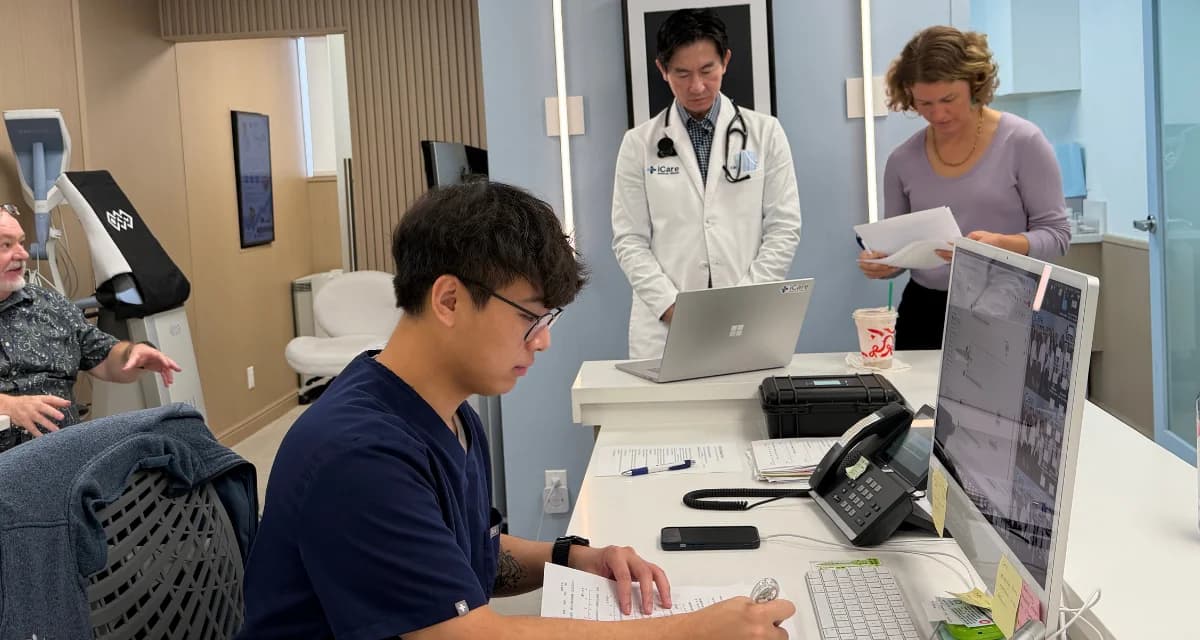
Memory concerns may need follow-up over time. Some patients remain stable, some improve when other health issues are addressed, and some need more support as changes continue.
The next step should be clear, respectful, and practical.
Patients and families deserve support that helps them understand what to do after a memory screen.
A simple follow-up routine can help patients and families stay organized after screening results are reviewed.
Ask for the result in plain language
Write down the recommended next step
Review medications and side effects
Bring family observations when appropriate
Ask what symptoms should be watched
Schedule follow-up before concerns are forgotten
After a memory screen, confusion can grow when results are not explained or next steps are not written down.
Treating the screen as a final diagnosis
Ignoring an abnormal or unclear result
Waiting too long to follow up on safety concerns
Leaving without knowing who to contact
Assuming memory changes cannot be helped
Managing family concerns without support
Follow-up works best when patients and families understand what was found and what should happen next.
WHEN TO SEEK MEDICAL GUIDANCE
Guidance may be helpful when screening results are unclear, abnormal, or connected to changes in daily life.
The result was abnormal or unclear — More evaluation may be needed before any diagnosis is made.
Daily tasks are becoming harder — Medication management, finances, cooking, or safety concerns should be reviewed.
Family members are worried — Their observations can help the care team understand what is happening at home.
You need help planning next steps — Follow-up, referrals, safety planning, and caregiver support may need organization.
If confusion appears suddenly, becomes severe, or comes with symptoms like weakness, trouble speaking, chest pain, severe headache, or difficulty staying awake, seek emergency care right away.
Next-step planning begins with understanding the result, reviewing possible causes, and deciding whether more evaluation or support is needed.
At iCare Medical Group, care focuses on helping patients and families understand memory screening results, review health factors that may affect thinking, and create a clearer plan for follow-up.