Many patients first discuss memory or thinking concerns during a Medicare Annual Wellness Visit. During this visit, the care team may ask about memory, daily function, safety, medications, mood, and family concerns as part of reviewing overall health.
If a concern is noticed, a separate, more detailed memory and thinking assessment with care planning may be recommended. This can help patients and families understand what is happening and what support may be needed.
Medicare Annual Wellness Visits include a review for possible memory and thinking concerns.
If concerns are found, a separate assessment may help review daily function, safety, medications, and care needs.
A family member or caregiver may help explain changes the patient does not fully notice.
Some services may have no added cost, while separate visits or additional services may involve standard Medicare costs.
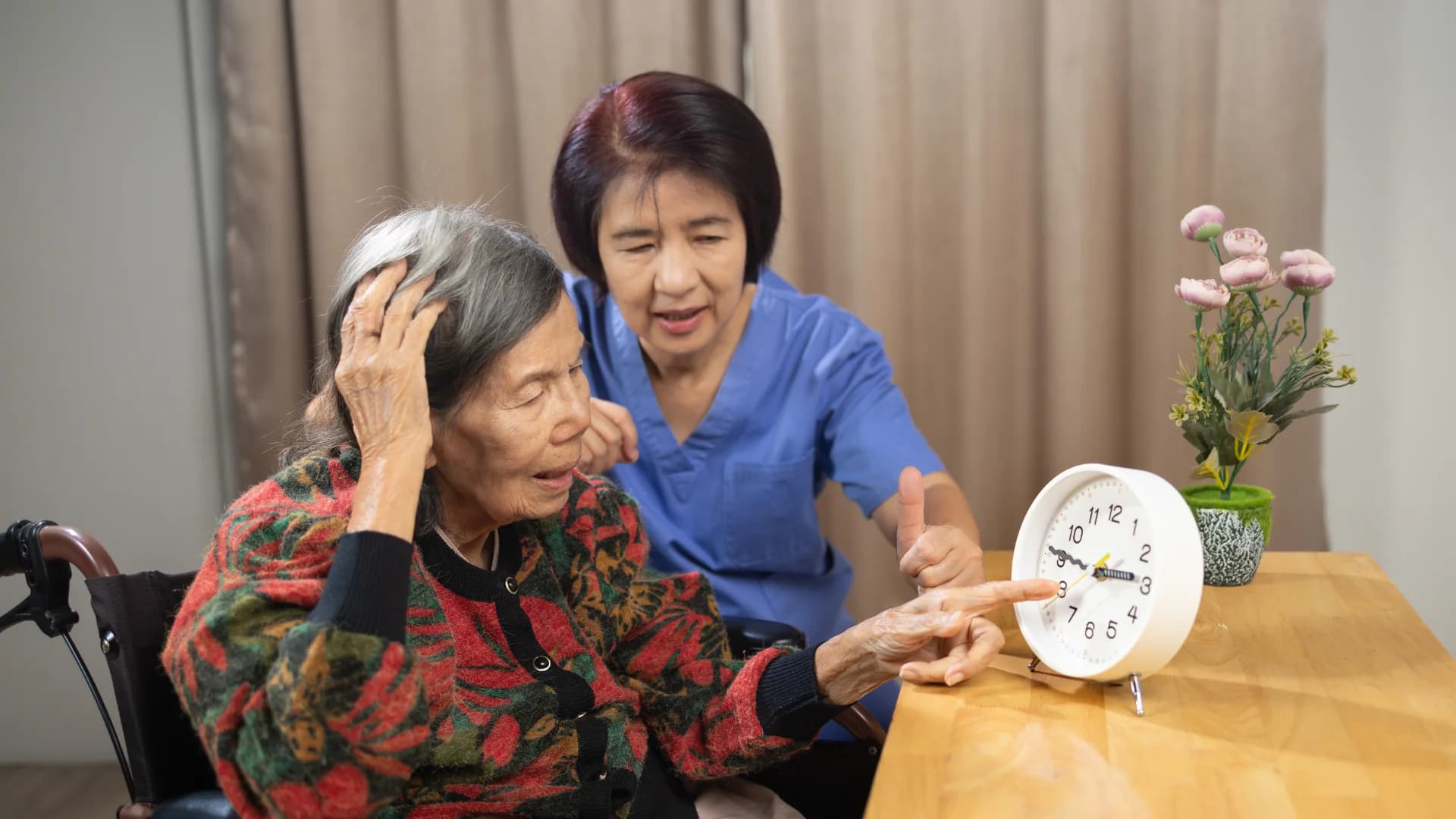

1. Start With The Wellness Visit
Ask about memory, thinking, safety, medications, or family concerns during the Annual Wellness Visit or a regular care visit.
2. Discuss Whether More Evaluation Is Needed
If a concern appears, your clinician may recommend a separate memory and thinking assessment, additional review, or follow-up.
3. Ask About Coverage And Next Steps
Before additional visits or services, ask what may be covered, what costs may apply, and what information to bring.
UNDERSTAND THE BASICS
A Medicare Annual Wellness Visit is a preventive visit that includes a review of memory and thinking as part of the overall health picture. This does not mean every patient receives a dementia diagnosis or a long memory test during the visit.
When memory or thinking concerns are suspected, a more detailed assessment may review symptoms, daily function, medications, safety, family input, and care-planning needs. This helps the care team understand whether more support or referral may be helpful.
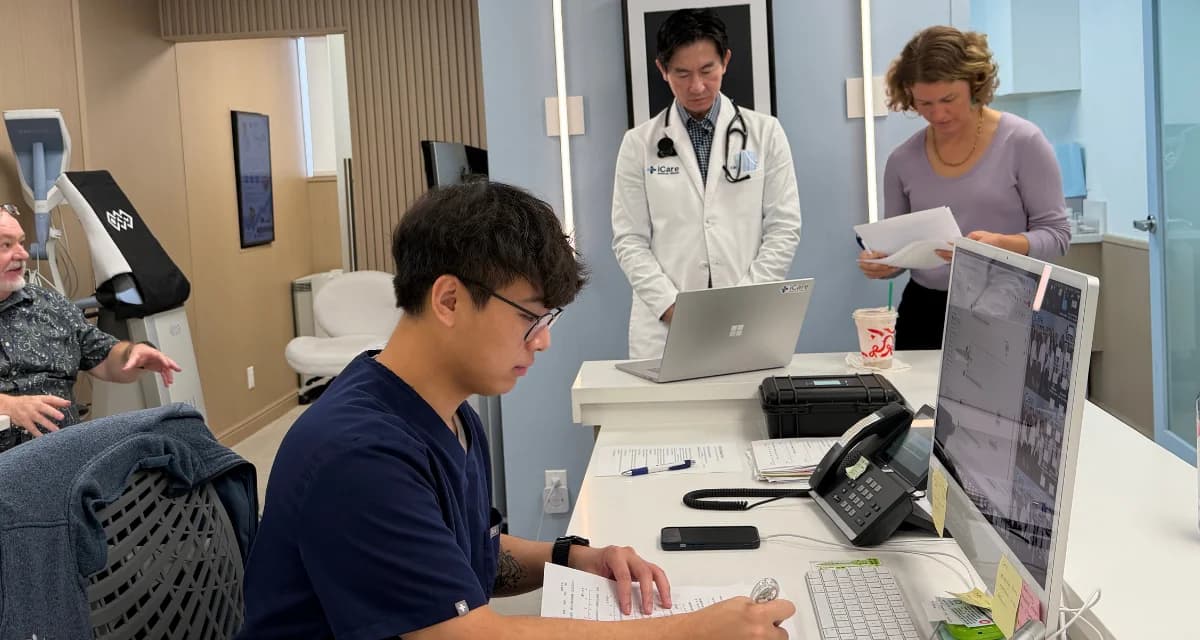
Memory review may continue over time, especially when concerns are mild, unclear, or changing.
A memory review should give patients more clarity, not more confusion.
Understanding the difference between screening, assessment, and follow-up can make care easier to discuss.
A little preparation can help patients and families feel more confident before the visit.
Bring your Medicare card and medication list
Write down memory or thinking concerns
Ask whether a family member should attend
Ask what is included in the Wellness Visit
Confirm whether a separate visit may be needed
Ask what costs, if any, may apply
Memory concerns can feel more stressful when patients do not know which visit they are scheduling or what the visit is meant to cover.
Assuming every memory concern is handled in one visit
Leaving without knowing whether follow-up is needed
Forgetting to ask about coverage or costs
Treating a screening as a final diagnosis
Waiting for the next year if symptoms are changing
Coming alone if family observations are important and the patient wants support
Clearer visit planning can help patients understand what is being reviewed and what may happen next.
WHEN TO SEEK MEDICAL GUIDANCE
Guidance may be helpful when patients or families want to understand how memory concerns fit into a Wellness Visit, regular appointment, or more detailed assessment.
You are due for a Medicare Annual Wellness Visit — Memory and thinking review can be part of this preventive visit.
A memory concern came up during a visit — A separate assessment may be recommended when more detail is needed.
A family member has noticed changes — Their observations may help explain what is happening at home.
You are unsure about costs or coverage — The care team can help explain what questions to ask before moving forward.
Coverage and costs can vary depending on the visit, the services provided, and the patient’s Medicare plan.
The next step begins with understanding whether the concern can be discussed during a Wellness Visit, a regular care visit, or a more detailed memory and thinking assessment.
At iCare Medical Group, care focuses on helping patients and families understand the purpose of the visit, what information to bring, and what follow-up may be appropriate.