
Overactive Bladder
PTNS Treatment
Overactive bladder can affect sleep, planning, and confidence in daily life. When urgency, frequent trips to the bathroom, or leakage begin shaping your routine, care should focus on both symptom relief and bladder control.
At iCare Medical Group, PTNS may be considered for adults with urgency, frequency, urge leakage, and related bladder symptoms who want a non-surgical, physician-guided treatment option.

Non-Surgical Bladder Support
A physician-guided option that may help improve bladder control by supporting the nerves involved in bladder function.
Who May Benefit
Who This Treatment May Help
This treatment may be considered for adults whose bladder symptoms are affecting daily comfort, sleep, planning, and confidence, especially when a non-surgical next step is being explored.
- Urinary urgency
- Frequent urination
- Urge leakage
- Frequent nighttime urination
- Patients seeking a non-surgical bladder care option
- Patients looking for support beyond medication alone
Treatment Experience
What Treatment Is Like
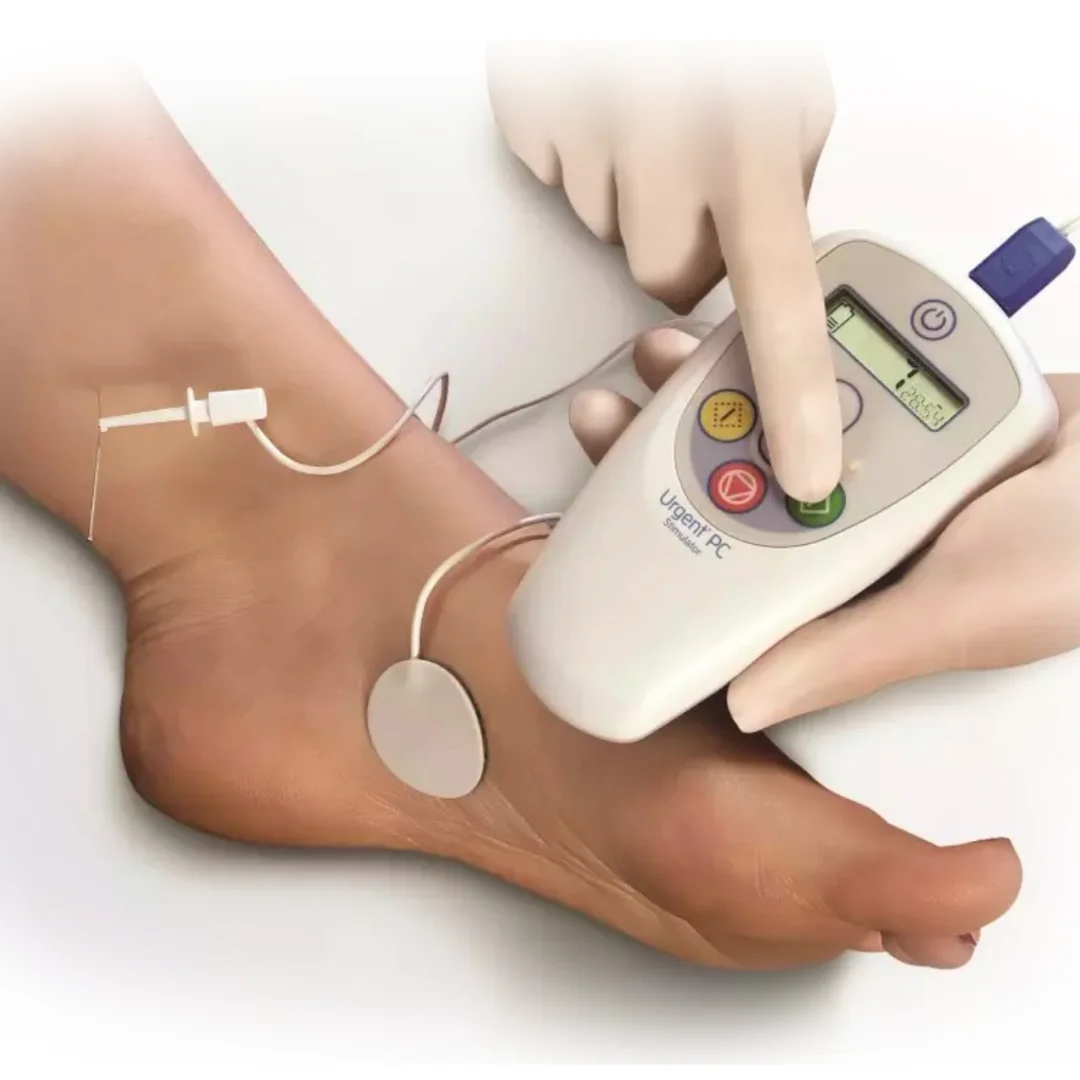
Treatment is usually provided in the office while gentle electrical stimulation is delivered near the ankle. Sessions are typically about 30 minutes, do not require surgery or anesthesia, and are usually planned as a structured series rather than a one-time visit.
Improvement tends to build gradually over time. The care team may track changes in urgency, frequency, leakage, and nighttime symptoms across the series so expectations stay practical and progress is easier to measure.
Insurance & Trusted Partners
We accept many major plans. Not sure if you’re covered? Call and we’ll help verify your benefits before your visit.














Treatment + Device Spotlight
A Gentle Bladder Treatment Designed to Support Symptom Control Over Time
This non-surgical, physician-guided option may be considered for adults with overactive bladder symptoms who want support beyond medication alone. The goal is to support bladder control, daily function, and confidence through a structured treatment plan, not a one-time quick fix.
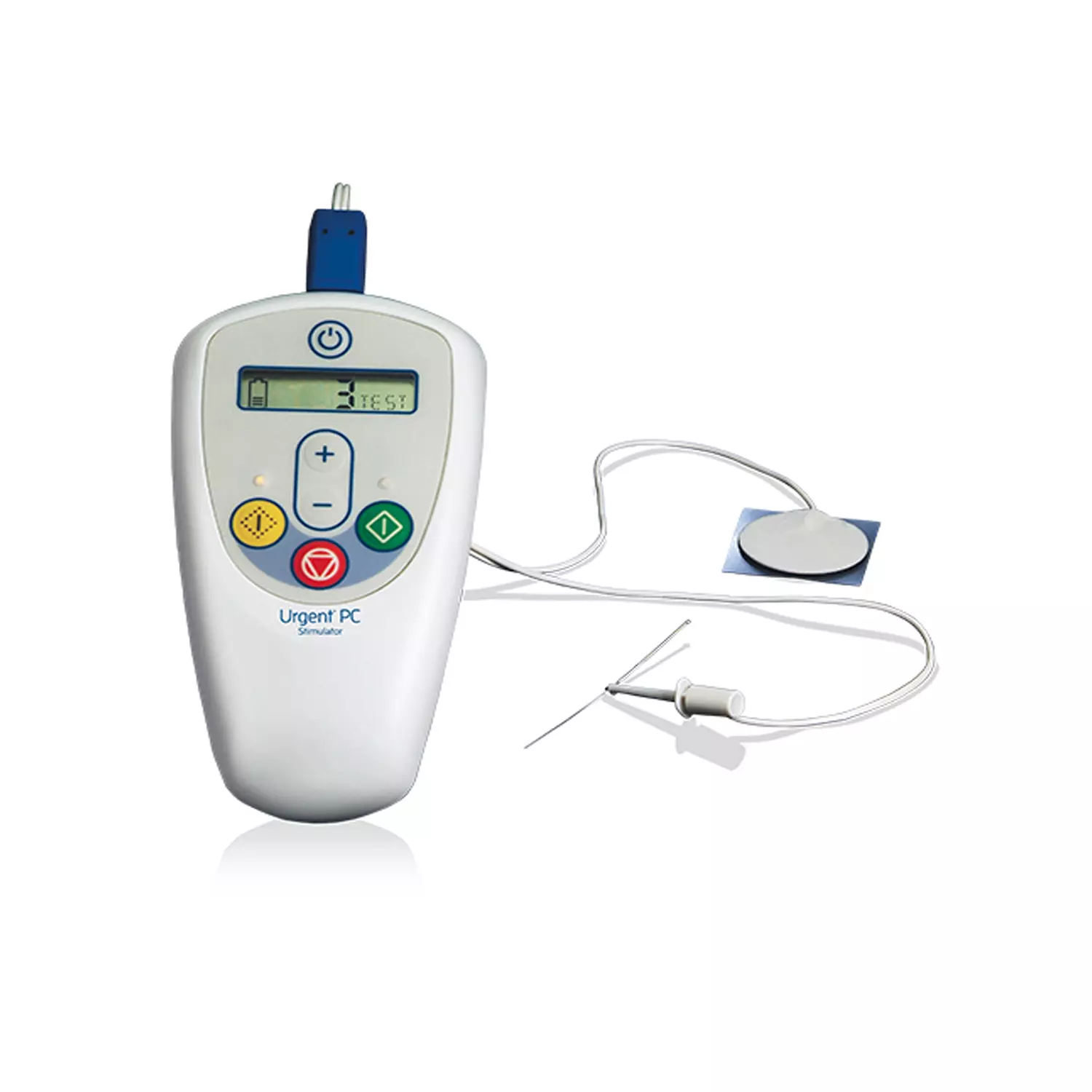
PTNS Treatment System
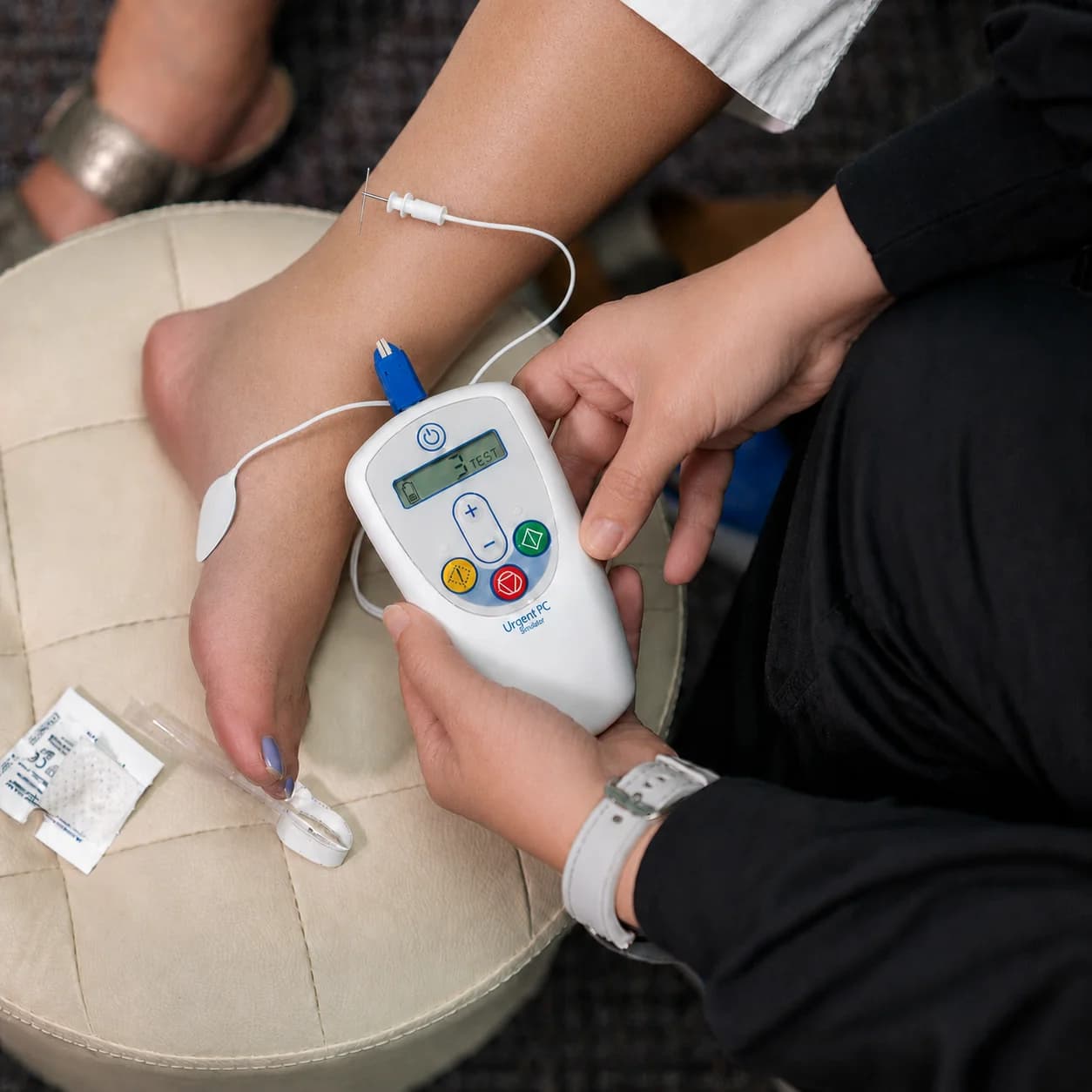
This system uses gentle stimulation near the ankle to influence the tibial nerve, which is connected to the nerve network involved in bladder control. Treatment is delivered in short office visits and is usually planned as a series so symptom improvement can build over time.
- Non-surgical office-based bladder treatment
- Gentle stimulation near the ankle
- Typically delivered in about 30-minute sessions
- Structured as a treatment series with follow-up as needed
- May support urgency, frequency, leakage, and nighttime symptoms
Gentle Bladder Support
Treatment uses gentle stimulation near the ankle to support the nerve pathways involved in bladder control.
Structured 30-Minute Visits
Visits are typically brief and done as a series because symptom improvement usually builds gradually over time.
Part of Bladder Care
This option may be used within a broader care plan that can include symptom tracking, follow-up visits, and supportive bladder strategies.
How We Use This Treatment
We use this treatment as part of a broader bladder care plan, not as a one-size-fits-all answer. It may be considered when urgency, frequency, urge leakage, or nighttime symptoms are affecting daily life and a non-surgical next step makes sense clinically.
Candidacy review also matters. The care team looks at symptom history, prior treatments, overall medical picture, and whether the patient can follow a structured treatment series before deciding whether this option is the right fit.
This Type of Care Is Often Discussed Alongside:
- Review of urgency, frequency, leakage, and nighttime symptoms
- A plan for structured visits and symptom tracking
- Behavioral strategies and broader bladder care recommendations
- Follow-up visits to assess progress and long-term maintenance needs