When one main health concern needs closer follow-up, care can involve many moving parts. Patients may need to understand medications, appointments, referrals, test results, treatment options, symptoms, family concerns, and support resources while also managing daily routines.
Focused care navigation can help make the plan easier to understand. Patients and caregivers do not have to figure out every step alone, especially when care feels complex or difficult to organize.
Some health concerns may involve medications, referrals, follow-ups, test results, and support needs.
Patients should understand what needs to happen next, when to follow up, and who to contact with questions.
Care navigation may help connect patients with education, referrals, caregiver support, or community resources when appropriate.
Family members and caregivers may need clear instructions so they can support care safely and respectfully.


1. Know What Is Being Managed
Understand which main health concern needs closer follow-up and what parts of care are connected to it.
2. Identify What Feels Unclear
Write down questions about medications, appointments, referrals, symptoms, test results, or home care instructions.
3. Clarify The Next Step
Ask what should happen next, when to follow up, and whether family or caregiver support should be involved.
UNDERSTAND THE BASICS
Focused care navigation helps patients and caregivers understand care that may involve several appointments, instructions, and follow-up steps. The goal is not to make care feel more complicated. The goal is to make the plan easier to follow.
This support may be helpful when one main health concern affects daily routines, treatment decisions, family communication, or coordination between different parts of care.
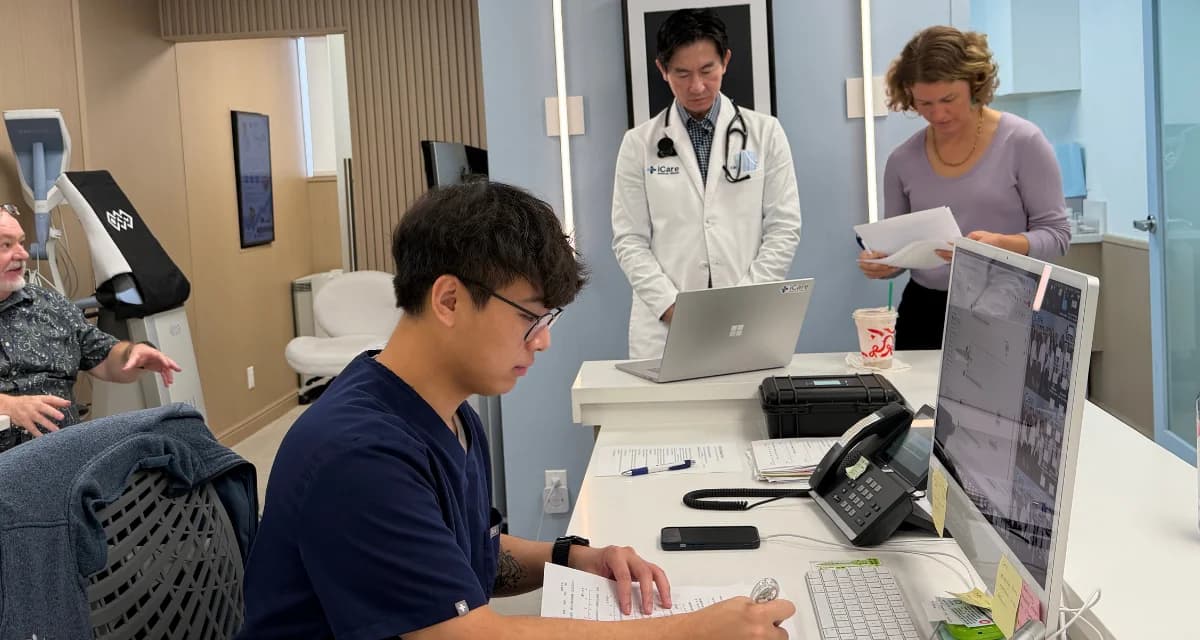
Focused care navigation works best when symptoms, medications, appointments, and daily routines are reviewed over time.
Clearer care steps can reduce stress.
When patients and caregivers understand the plan, care can feel more organized and easier to follow.
A simple routine can help patients and families stay connected to appointments, medications, symptoms, and next steps.
Keep an updated medication list
Write down questions before visits
Track appointments and referrals
Ask what symptoms should be reported
Bring family or caregiver support when helpful
Confirm the next step before leaving a visit
Care can become more stressful when patients are expected to remember every detail without support.
Guessing what instructions mean
Missing follow-up appointments
Waiting too long to ask questions
Assuming every provider has the full picture
Leaving visits without knowing the next step
Managing care alone when support is needed
Focused care navigation should help patients feel supported, not overwhelmed.
WHEN TO SEEK MEDICAL GUIDANCE
Medical guidance may be helpful when one main health concern has several care steps that feel difficult to manage alone.
Care steps are difficult to track — Appointments, referrals, medications, and test results may need clearer organization.
Symptoms or routines are changing — New or changing concerns should be reviewed with a care team.
A family member is helping with care — Caregivers may need clear instructions and shared understanding.
The next step feels unclear — Patients should know what to do, when to follow up, and who to contact.
Patients and caregivers do not have to wait until care feels unmanageable before asking for guidance.
Focused care navigation begins with understanding the main health concern, the care plan, the patient’s daily needs, and which steps still feel unclear.
At iCare Medical Group, care focuses on helping patients and families stay informed, organized, and supported as they move through follow-up care.