Hypertension is manageable, yet uncontrolled blood pressure can gradually affect vital organs. Understanding potential risks allows early action and thoughtful prevention.
Prevention is not driven by fear. It is guided by awareness, consistency, and proactive medical partnership.
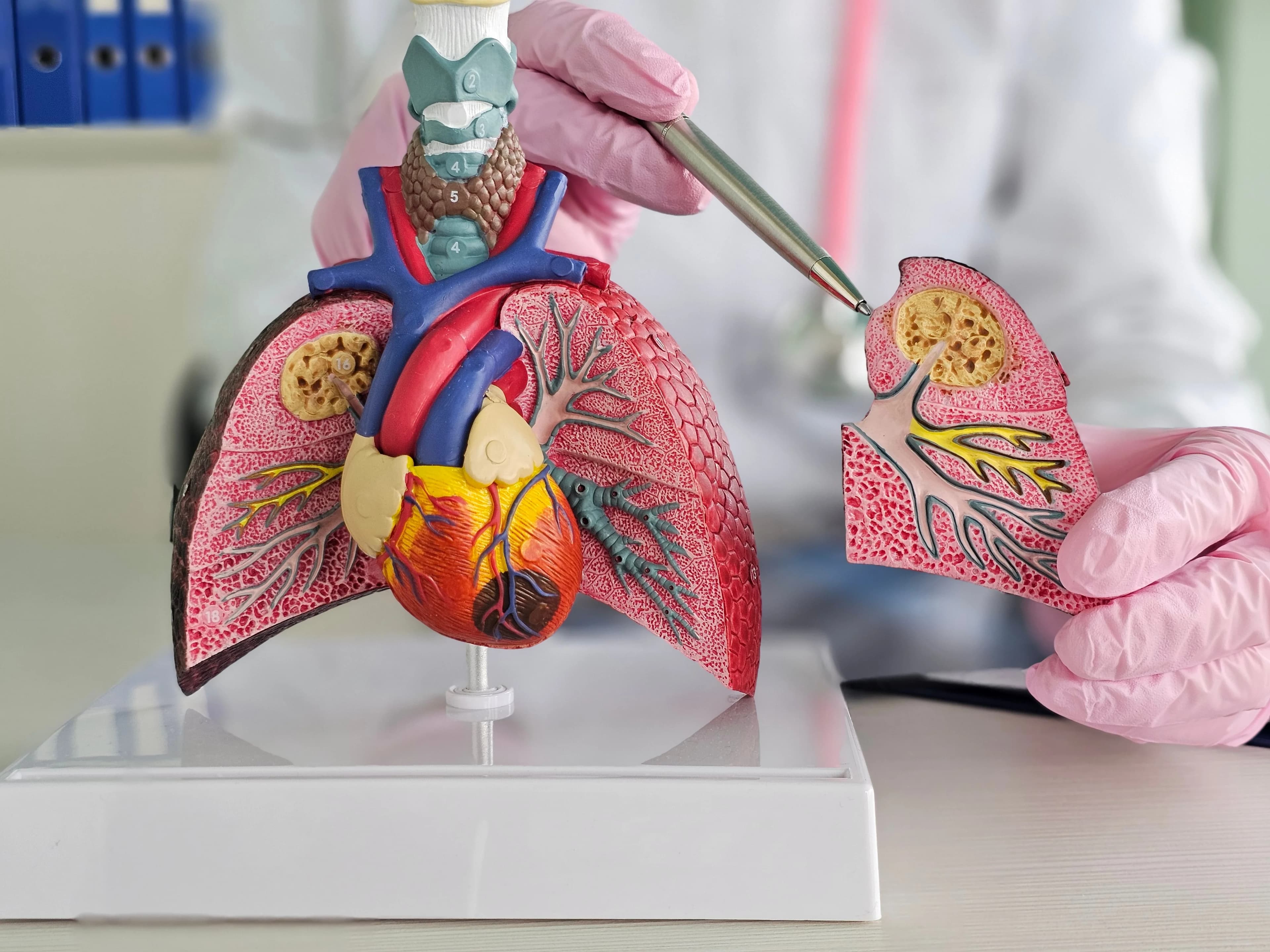
Elevated pressure increases strain on the heart muscle over time, which may lead to thickening, reduced efficiency, or heart failure if not addressed.
Persistent hypertension raises the risk of stroke and vascular cognitive changes. Stable control supports long term neurological function.
The kidneys rely on delicate blood vessels for filtration. Uncontrolled pressure can impair this system gradually.
Small vessels in the eyes are sensitive to sustained elevation in pressure, potentially affecting vision if unmanaged.
Today's Focus
1. Maintain Consistent Monitoring
Regular tracking helps identify trends before complications develop.
2. Address Additional Risk Factors
Managing cholesterol, blood sugar, weight, and smoking status strengthens overall cardiovascular protection.
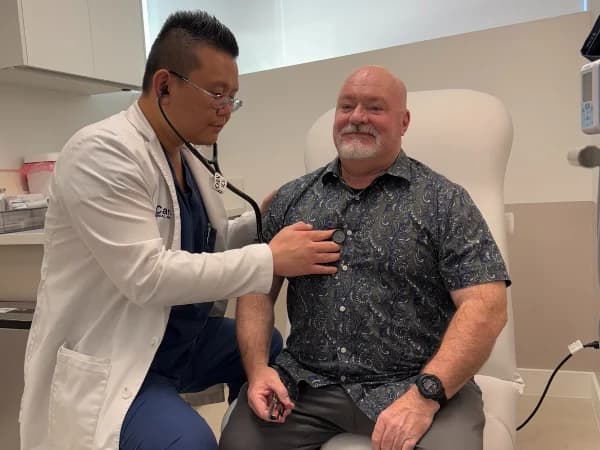
3. Seek Timely Medical Evaluation
Sudden changes in symptoms or readings deserve prompt assessment to prevent escalation.
Managing Risks & Complications
Complications from high blood pressure develop gradually. Prevention begins long before symptoms appear.
Understanding which organs are affected and how to protect them allows care to remain proactive rather than reactive.
Daily Risk Reduction
Complications rarely appear without warning signs in the data. Trends in blood pressure, lab values, and symptoms provide early signals when monitored consistently. Prevention is built through steady habits. Small protective actions practiced daily reduce cumulative strain on the heart, brain, kidneys, and blood vessels.
Maintain consistent blood pressure monitoring
Attend scheduled medical follow up visits
Take medications exactly as prescribed
Monitor cholesterol and blood sugar regularly
Stay physically active most days of the week
Maintain a balanced, heart supportive diet
Ignoring persistently elevated readings
Skipping laboratory testing or annual evaluations
Continuing tobacco use
Allowing unmanaged stress to remain chronic
Delaying care for new or worsening symptoms
Discontinuing medication without guidance
Managing Risks & Complications
Long term protection comes from pattern awareness, timely follow up, and steady risk reduction across blood pressure, metabolic health, and daily habits.
The goal is not short-term urgency. It is structured prevention that protects your heart, brain, kidneys, and vision over time.