Cholesterol is essential for normal body function. It supports hormone production, cell structure, and vitamin D synthesis. Concern develops when certain lipid levels rise beyond healthy ranges. Clear understanding allows prevention to be thoughtful rather than reactive.
The body produces cholesterol naturally because it is required for cell membranes and hormone balance.
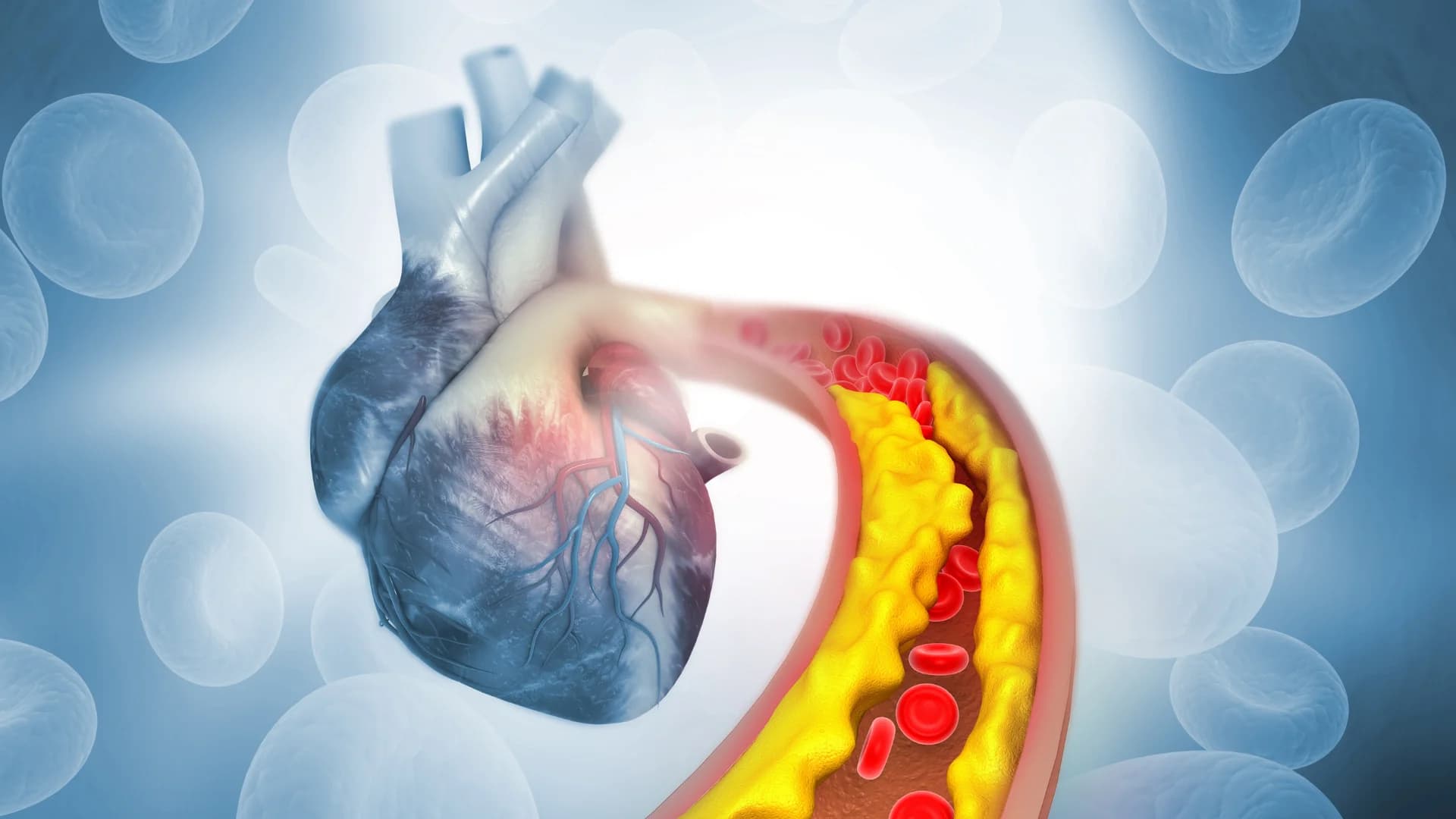
LDL can contribute to plaque buildup when elevated, while HDL helps remove excess cholesterol from circulation.
High triglycerides often signal excess sugar intake or insulin resistance.
Family history, blood pressure, blood sugar, and lifestyle patterns all influence how cholesterol impacts arteries.
Today's blueprint

1. Review Your Lipid Panel
A standard test measures total cholesterol, LDL, HDL, and triglycerides to assess cardiovascular risk.
2. Monitor Trends Over Time
Long term patterns provide more insight than a single lab result.
3. Identify Personal Risk Factors
Age, smoking status, diabetes, and hypertension influence treatment decisions.
Cholesterol awareness is not about fear. It is about preparation. When you understand your lipid profile and overall risk, decisions become grounded, preventive, and aligned with long term heart protection.
Understand The Basics
Cholesterol levels reflect a combination of genetics, metabolism, nutrition, and daily habits. No single food or lab value tells the full story.
Understanding how lipid markers interact with overall cardiovascular risk allows prevention to remain steady and personalized.
Cholesterol management is guided by patterns, not isolated numbers. With steady monitoring and aligned lifestyle habits, cardiovascular protection becomes proactive and informed.
Cholesterol balance improves through steady daily choices. Long term patterns influence arterial health more than short term restriction. When nutrition, movement, and monitoring work together, lipid levels often respond gradually and predictably.
Frequent fried or processed food intake
Excess added sugars and refined carbohydrates
Sedentary lifestyle patterns
Tobacco use
Skipping follow up lipid testing
Ignoring elevated triglyceride levels
Cholesterol care is not about extremes. It is about rhythm. With consistent lifestyle alignment and thoughtful monitoring, cardiovascular protection becomes steady, preventive, and reassuring.
When To Seek Support
Cholesterol levels often change silently over time. Routine testing and timely evaluation help identify risk early and prevent long term cardiovascular complications.
Our team reviews your lipid profile and creates a clear, personalized care plan.
Cholesterol balance reflects both genetics and lifestyle patterns. Nutrition quality, physical activity, weight stability, and metabolic health all influence lipid levels over time.
At iCare Medical Group, we combine laboratory data with individualized counseling to guide informed decisions. Monitoring trends allows us to adjust therapy carefully while supporting long term cardiovascular protection.
Steady improvements reduce vascular strain. Consistent follow up builds clarity and confidence in your heart health journey.